Revolutionising interaction through advanced Spatial technology.
Imagine a surgeon performing a complex operation, guided by holographic overlays that highlight critical anatomical structures in real time. Picture a factory worker assembling intricate machinery with step-by-step instructions projected directly into their field of view. Envision architects collaborating on a building design, walking through a virtual model superimposed onto the actual construction site.
These are not distant visions of the future, they are real-world applications of spatial computing, a transformative technology that is blurring the lines between digital and physical worlds. By merging augmented reality (AR), virtual reality (VR), mixed reality (MR), artificial intelligence (AI), and advanced sensors, spatial computing is redefining human-computer interaction. It is enabling seamless engagement with digital content, making technology more intuitive, immersive, and intelligent.
This article gives a glimpse into the evolution of spatial computing, its core principles, its applicability across multiple industries, and its potential to reshape the future of work, learning, and daily life.
What is Blending Reality?
Blending Reality is the process of merging the physical world with digital information to create a single, cohesive experience. Unlike Virtual Reality (VR), which replaces your surroundings, or Augmented Reality (AR), which simply adds a static layer of data, Blending Reality through Mixed Reality (MR) allows:
Spatial Awareness: Digital objects understand the geometry of your room (e.g., a virtual window placed on a physical wall).
Real-Time Interaction: Users can manipulate digital information using natural gestures, just as they would with physical tools.
Contextual Intelligence: Data is "anchored" to specific locations or objects, providing information exactly where and when it is needed.
In a professional context, Blending Reality transforms complex data into intuitive, 3D experiences that enhance training, design, and remote collaboration.
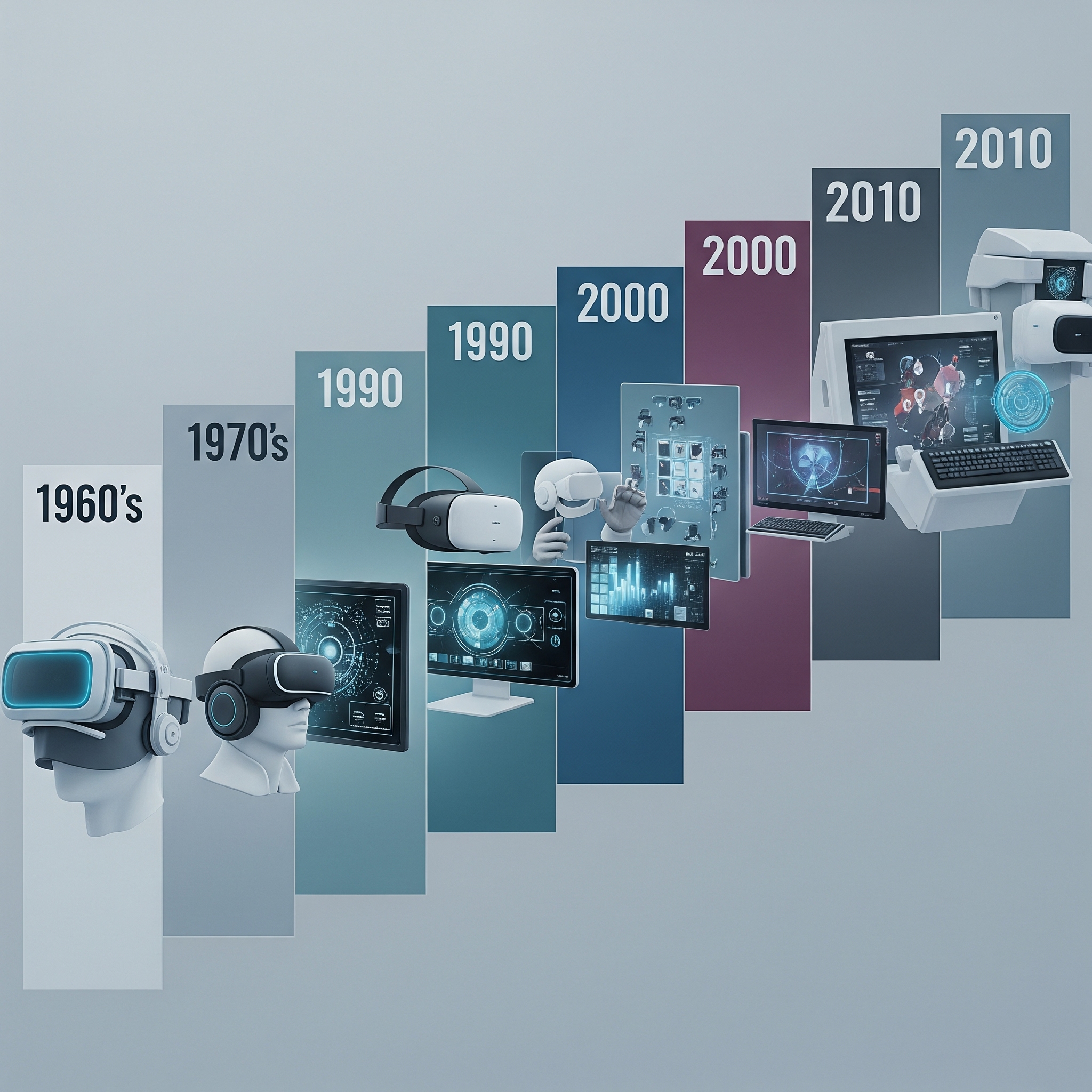 A Brief History:
 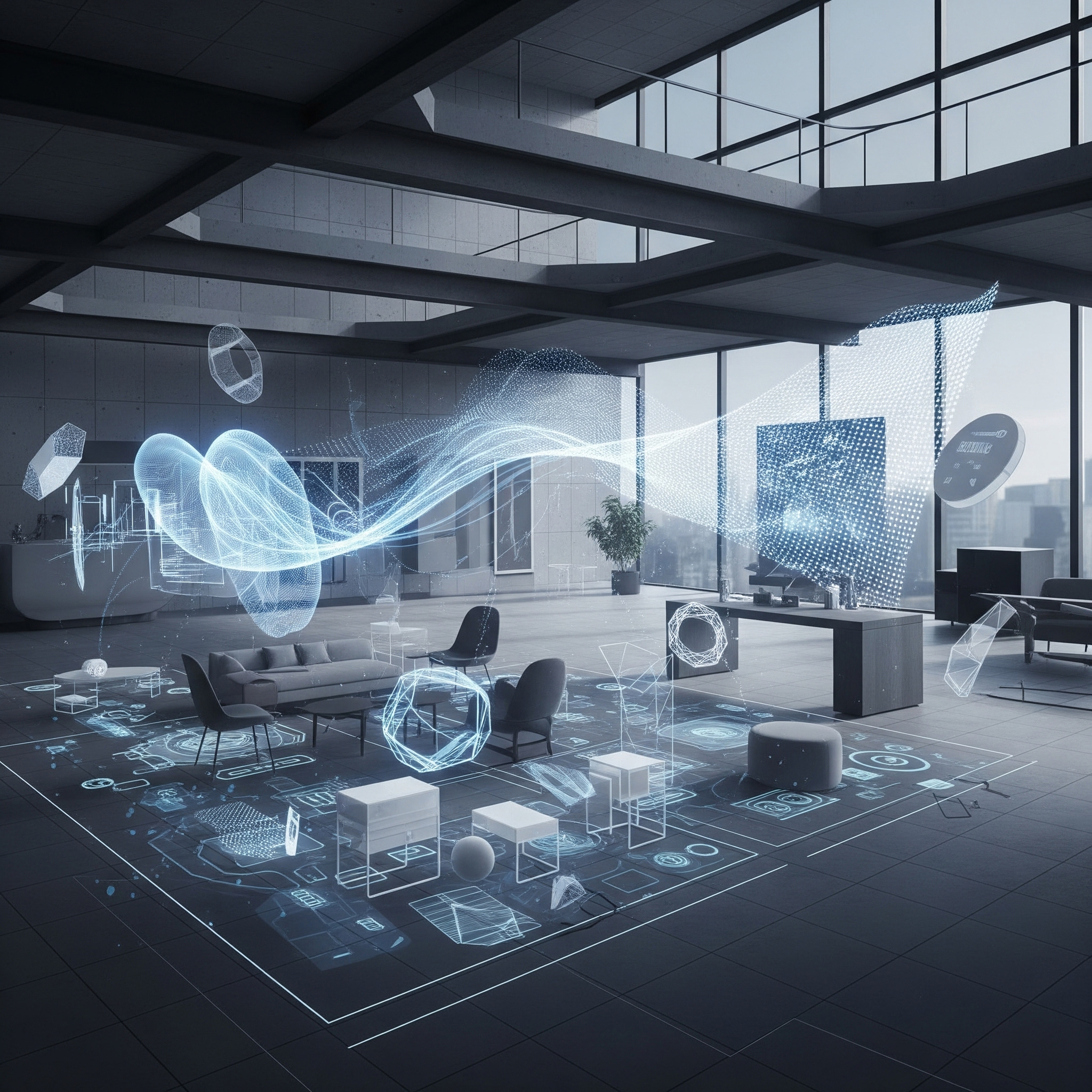 Definition:
 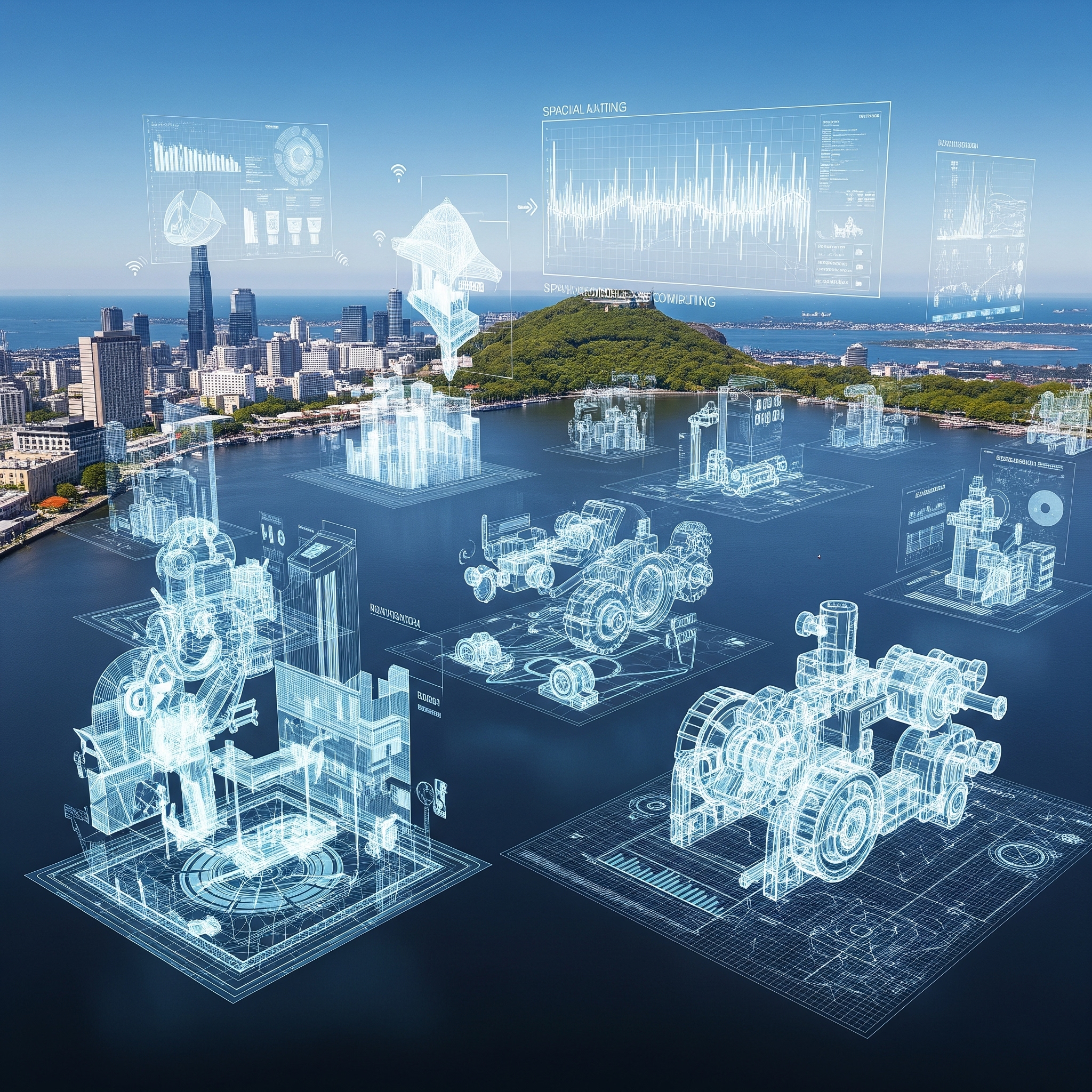 Use in the Real World:
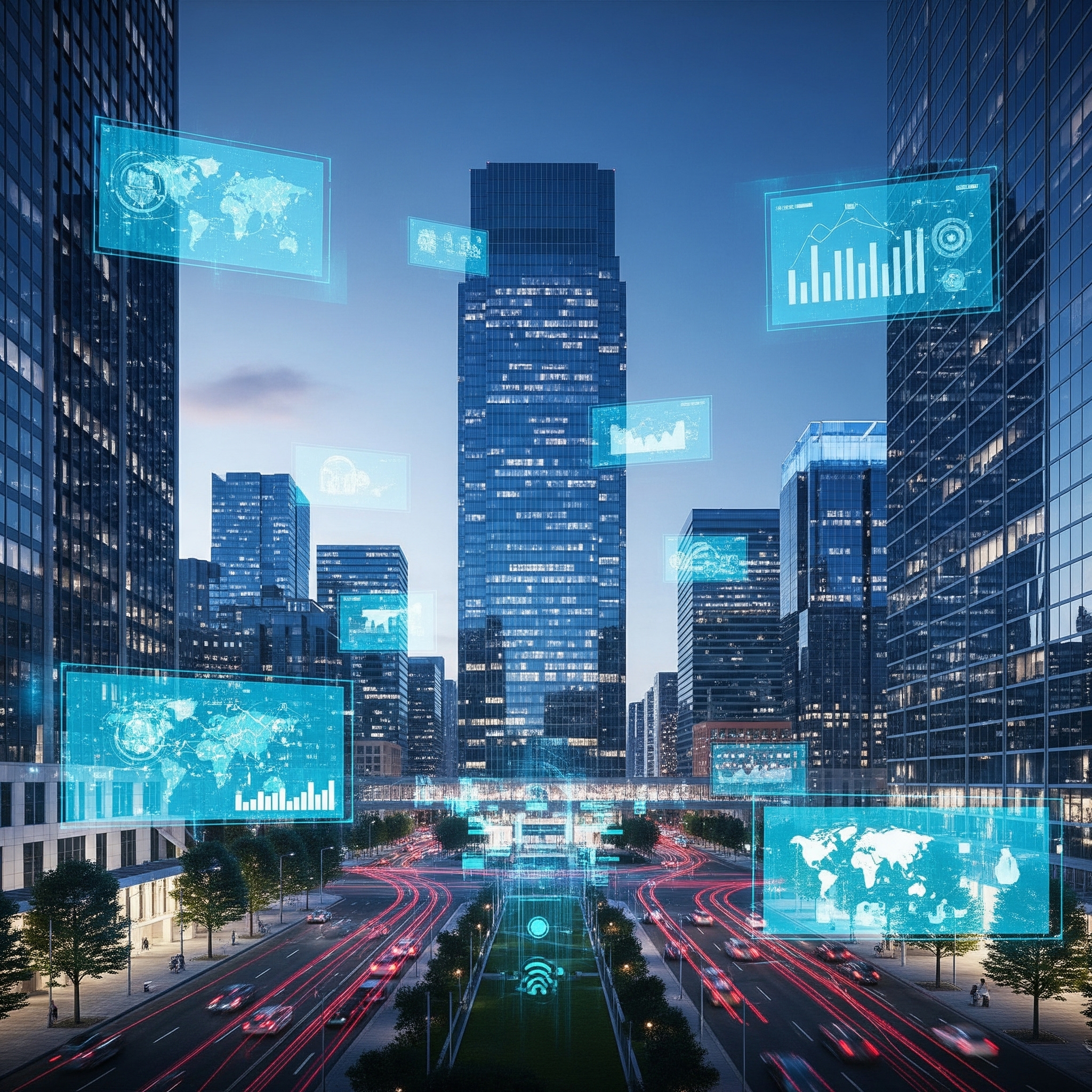 Bridging the Gap:
 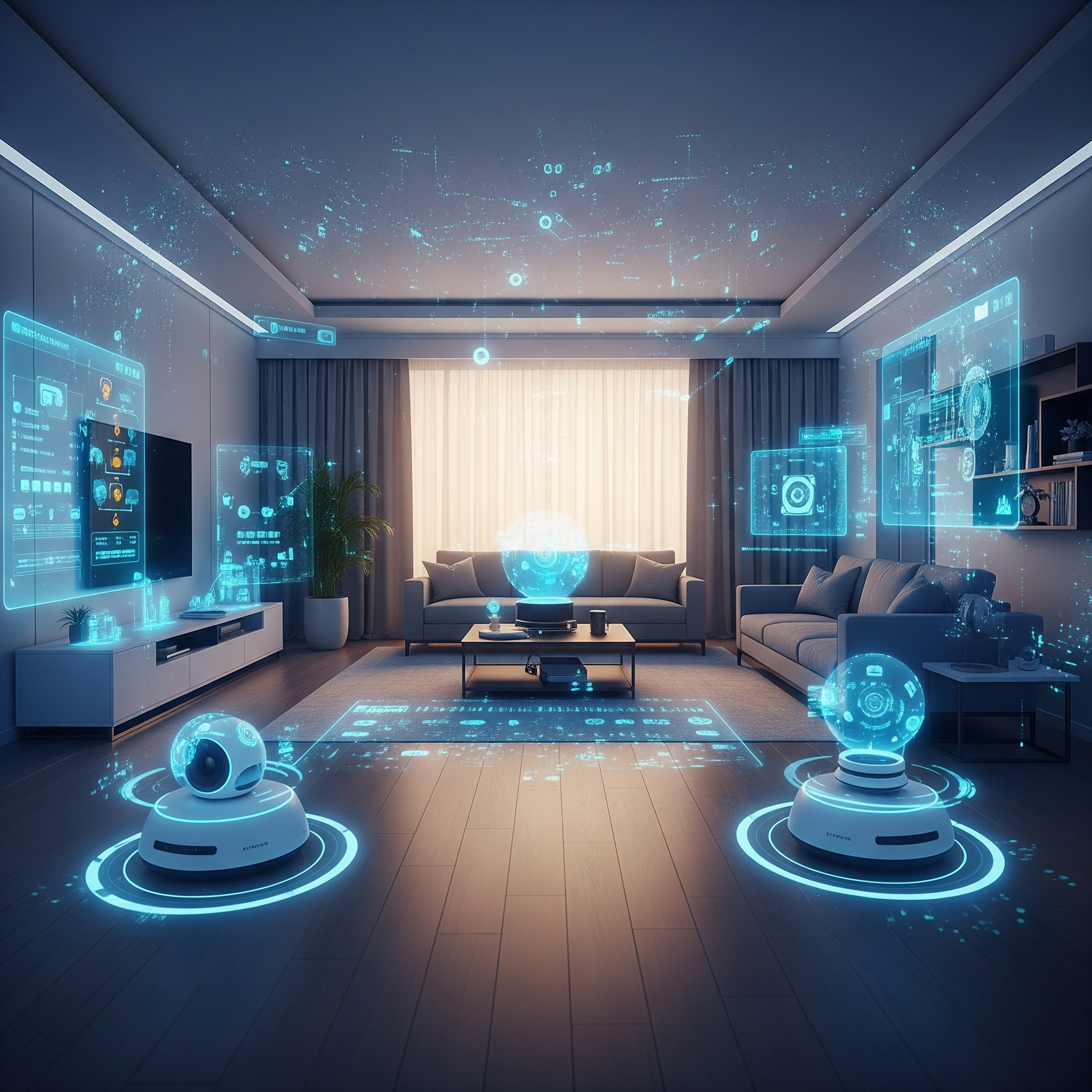 Everyday Life:
Transforming the built environment: Architecture and Construction
Merging physical and digital worlds: Blending Reality
Redefining patient care and diagnostics: Spatial and Healthcare