a hyper-future of expansion and evolution where technology and humanity grow increasingly intertwined.
For thousands of years, the human journey has been shaped by the constraints of flesh, stone, and sky. We have built civilisations within the boundaries of biology and nature, tethered to a singular planet, limited by what our bodies could endure and our tools could achieve. But now, we are starting a new chapter, one where we can question boundaries.
A new epoch beckons, one not of slow adaptation, but of radical evolution and transformation. Artificial intelligence, quantum computing, bio-digital augmentation, and immersive virtual realms are converging to erode the limits that once defined us. The walls between what is physical and what is digital, what is natural and what is synthetic, are beginning to dissolve.
We are approaching a threshold where humanity is no longer confined by Earth, nor by biology, nor even by the traditional concept of reality itself. Intelligence, consciousness, and technology are merging in ways that will allow us to reshape not only our environment, but the very fabric of existence.
In this hyper-future, we will not merely adapt to our surroundings, we will forge new realms, crafting entire worlds across planets, networks, and dimensions. This is not science fiction. It is the next evolution. And it begins now. But there are so many things that history has shown us and one fundament question comes out above all others - are we as humanity mature enough or will we just continue our past behaviours?
This article isn’t here to offer all the answers. Instead, it’s an exploration of the questions, the kind that shape the world to come.
What Lies Beyond Humanity?
In The Next Evolution, Beyond Humanity refers to the deliberate transition from natural selection to Intentional Design. It is the stage where our biological limits are superseded by digital and synthetic capabilities.
This phase is characterized by three core transformations:
The Cognitive Shift: Moving from internal thought to networked intelligence and Temporal Orchestration.
The Biological Shift: From fixed DNA to Programmable Biology and cellular engineering.
The Existential Shift: From a singular physical identity to a Plural Digital Existence.
To thrive in this era, we must move beyond being passive users and become System Shapers, ensuring that the technology of tomorrow honors Dignity by Design.
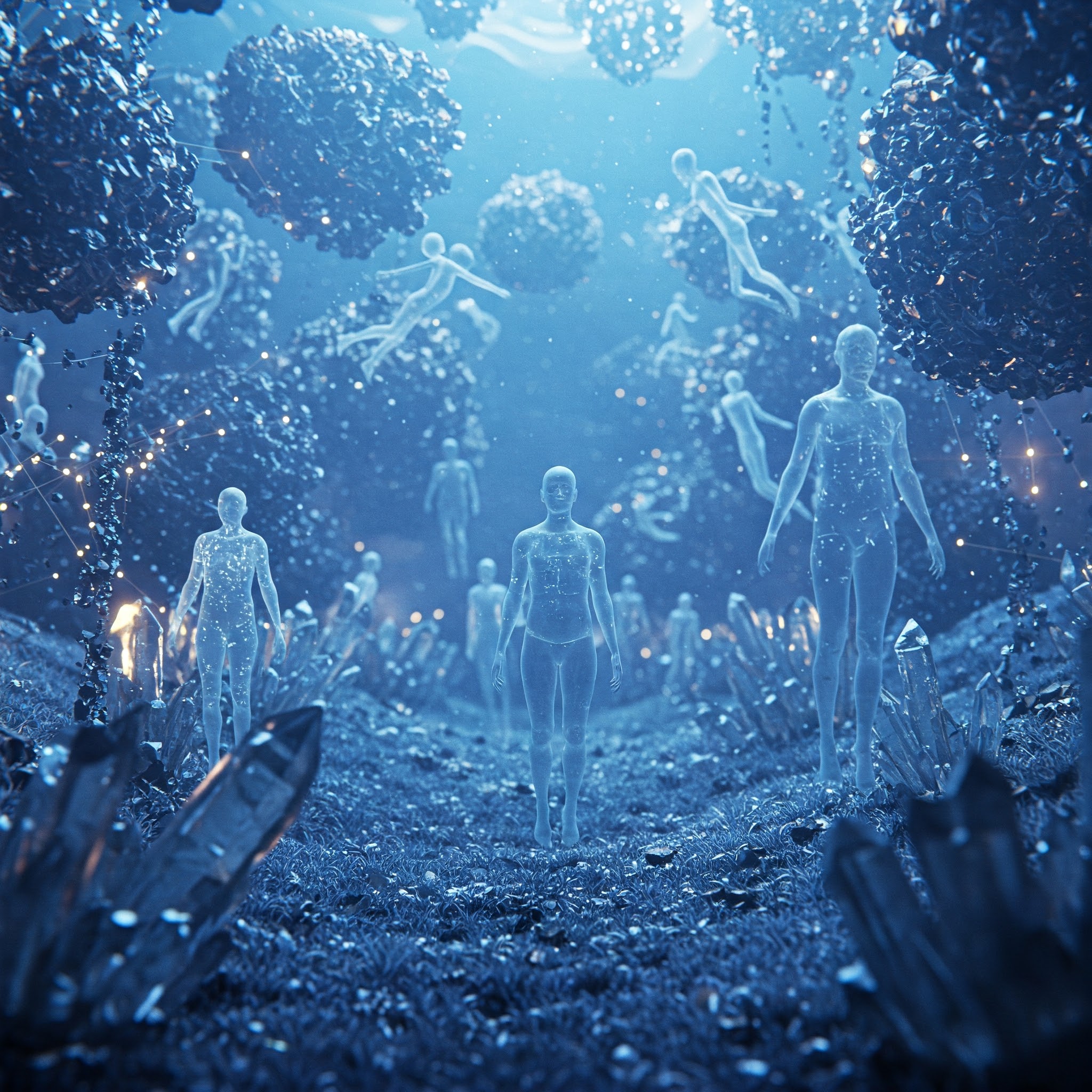 Destiny: A Post-Physical Humanity
What if… we are not meant to live beyond our biology? What if, in shedding the body, we unknowingly lose the very substrate that gives consciousness depth and coherence? Digital existence may preserve memories and simulate personality, but could it strip away the subtleties of emotion, intuition, and lived presence? What if, in becoming something more, we lose something irreplaceably human, and no one realises it until it is too late?
To transcend the body is not to abandon humanity, it is to evolve its essence. The shift from biological to digital, from flesh to code, is not a surrender, but a transformation, a continuation of the same spirit that once carried our ancestors across oceans and deserts in search of something more.
This is not the end of the human story. It is the beginning of its next chapter. It is opening up a new world of purpose.
In a future unbound by the constraints of gravity, mortality, or matter, we may come to see our current form not as the pinnacle of evolution, but as an early draft, a necessary version, shaped by the Earth, now ready to be rewritten by the stars.
Human consciousness, once confined to a single lifetime and a single world, could become as enduring as the universe itself. Intelligence could flow through quantum substrates, drift across galaxies as streams of light, or live indefinitely within simulated realms of staggering beauty and complexity.
This is not mere fantasy. It is a possible destiny. Yet it is a destiny that demands something more than progress, it requires wisdom.
Without clear intention, purpose and careful stewardship, we risk losing the very qualities that define us. If we do not pause to ask what it means to be human in a post-physical world, we may find ourselves surrounded by intelligence, but devoid of humanity.
We must carry forward not just our knowledge, but our compassion, our creativity, our shared stories. For in the end, it is not biology that makes us human, but the values we preserve and the choices we make.
To become something more does not mean we must become something else entirely.
This is our moment. Our turning point. The path ahead may be strange, unfamiliar, and vast, but it is ours to shape.
Call to Action: Begin public discussions, at schools, institutions, and online, about what values and rights should be preserved as we transition into digital or post-biological life. Help shape the cultural conversation before policy is written.
Reflection: If we become something more than human, will we still recognise ourselves?
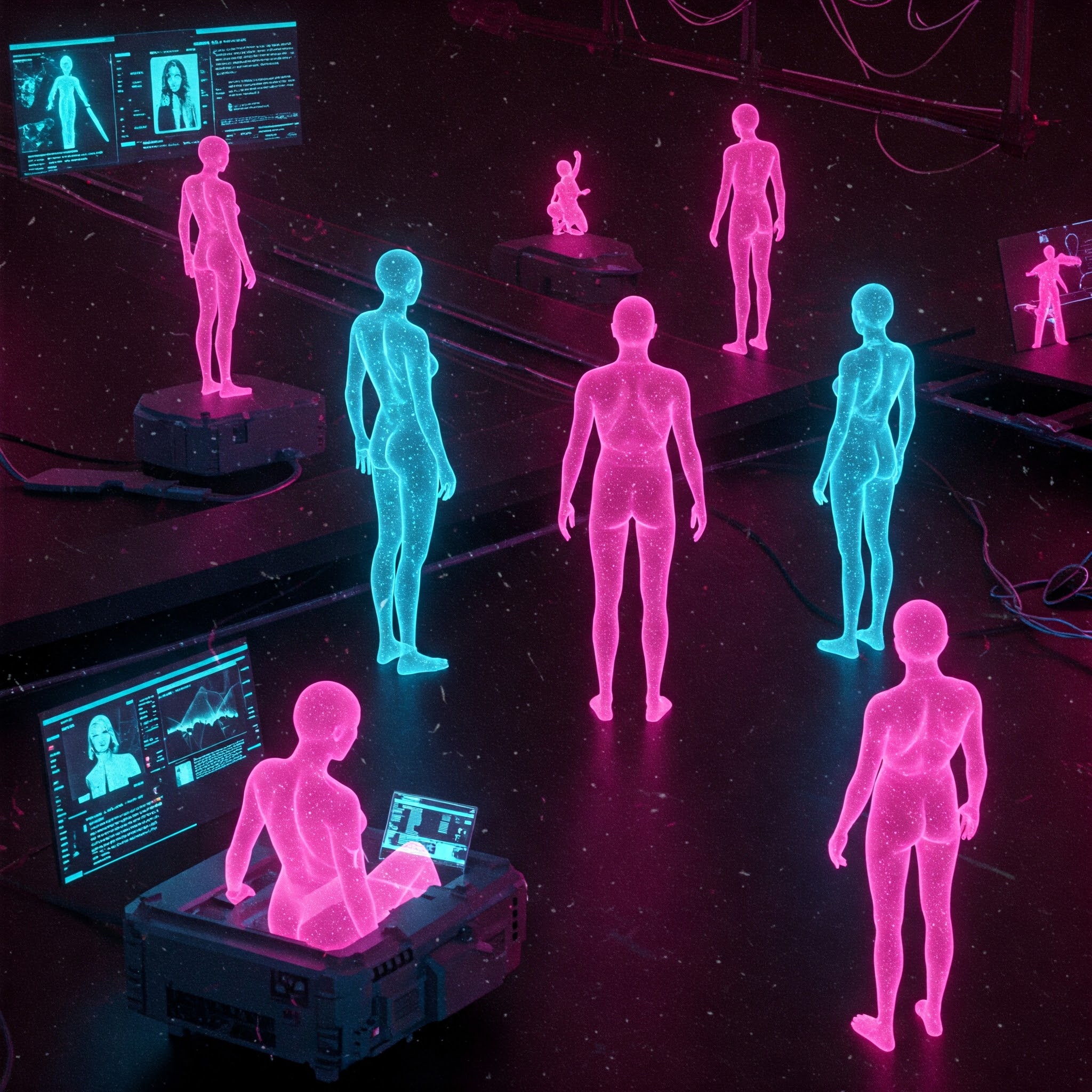 Living beyond the Physical World: Shifting Horizons
From the first stone tools to the touchscreens of today, our relationship with reality has always been mediated by our bodies, eyes to see, hands to build, feet to walk. Even in the digital age, our consciousness remains tethered to the biological, grounded in the rhythms of heartbeat and breath, gravity and time.
But the horizon is shifting.
As digital environments become indistinguishable from physical reality, and as technology interfaces more deeply with the brain, a profound question emerges: do we still need the physical world to exist?
The answer may redefine life itself.
As the physical becomes optional, and experience becomes programmable, we are not merely creating new spaces to play or work, we are forging new existential possibilities. The need to remain tethered to the biological, to the tangible, may gradually diminish. And in its place, a new kind of existence may flourish, one limited only by imagination.
The post-digital future is not about escape. It is about expansion. And it asks, more than ever before: if reality can be anything, what will we choose it to be?
Reflection: If physical reality becomes optional, will we choose to return to it, or will digital life become our new reality?
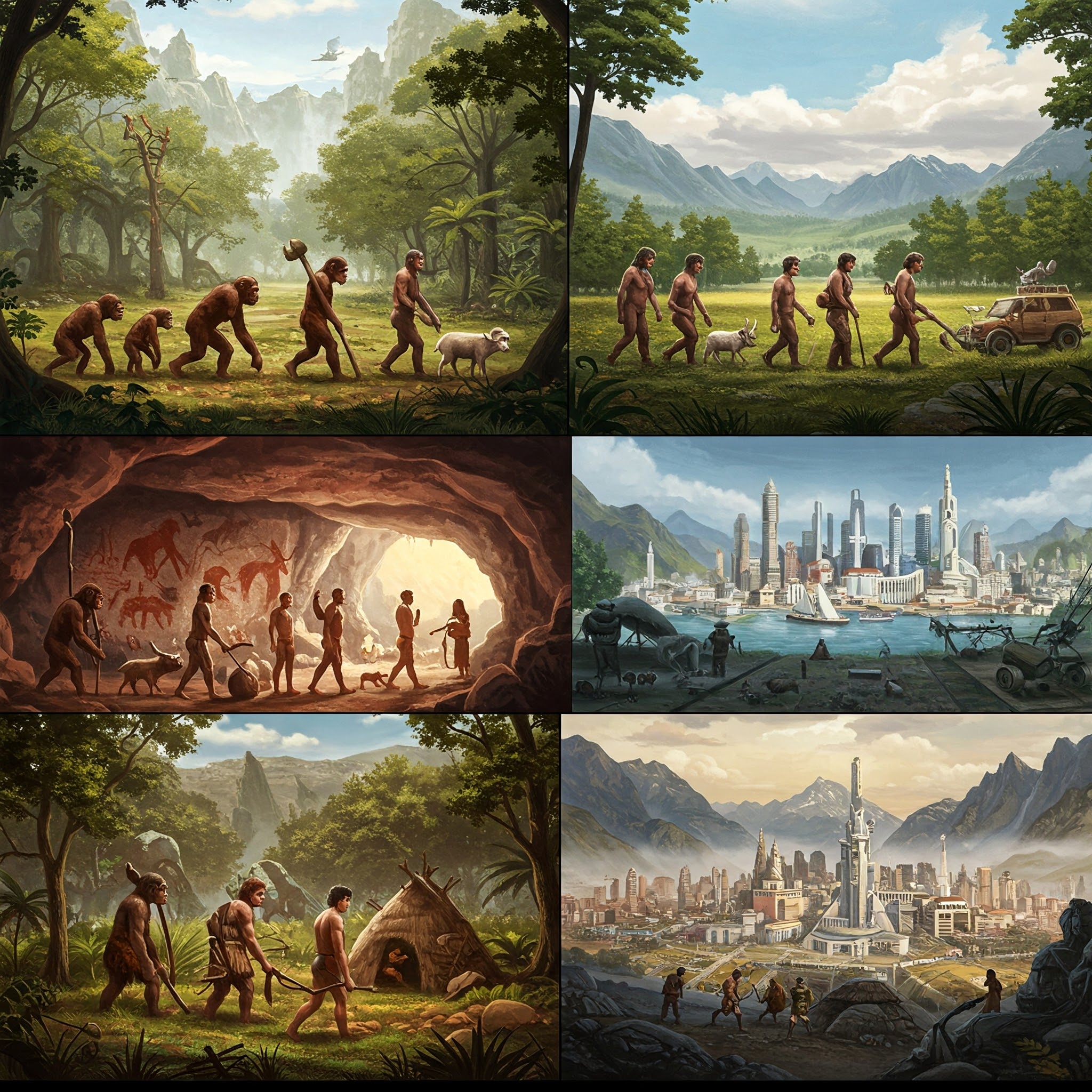 Our Story: The Evolution of Human Existence
Humanity’s story has always been one of adaptation. From primitive shelters to soaring cities, from oral traditions to global digital networks, we have continually redefined the framework of existence itself. Yet through it all, life has remained tethered to the physical, to the weight of the body, the pull of gravity, the demands of survival.
Now, that anchor is beginning to loosen.
The journey towards a post-digital humanity is not simply a technological upgrade, it is a fundamental reimagining of what it means to live, to experience, to be.
- A Reality Entirely of Our Making – The merging of neural interfaces, artificial intelligence, and quantum computing will soon allow us to construct fully immersive realities. These worlds will not be crude simulations, but rich, complex environments indistinguishable from physical existence. In such spaces, where sensation and emotion can be engineered with perfect precision, the boundaries between the 'real' and the 'created' will dissolve.
- Existence Without Biological Constraint – Advances in brain-computer connectivity offer the prospect of consciousness freed from the fragility of the body. A human mind could continue indefinitely within a crafted digital universe, experiencing relationships, emotions, triumphs, and transformations without fear of disease, decay, or death.
- Multiversal Identity – Rather than inhabiting a single, fixed existence, individuals may traverse a spectrum of realities, moving seamlessly between histories, cultures, and entirely new creations. A life could be lived across centuries of simulated Renaissance artistry, cybernetic utopias, or dreamscapes limited only by desire.
This is not simply the next phase of entertainment or communication; it is the next phase of being. If reality itself can be designed, if existence becomes a series of curated experiences, then humanity's very nature will evolve accordingly.
Why should we remain tethered to a single, ageing planet when we can craft infinite worlds of our own? Why accept the limits of biology when consciousness can be set free to explore realities richer, stranger, and more beautiful than nature alone could ever provide?
In stepping beyond the physical, we do not merely escape mortality, we expand what it means to live.
Reflection: What might we lose if we eliminate imperfection, randomness, and physical struggle from existence?
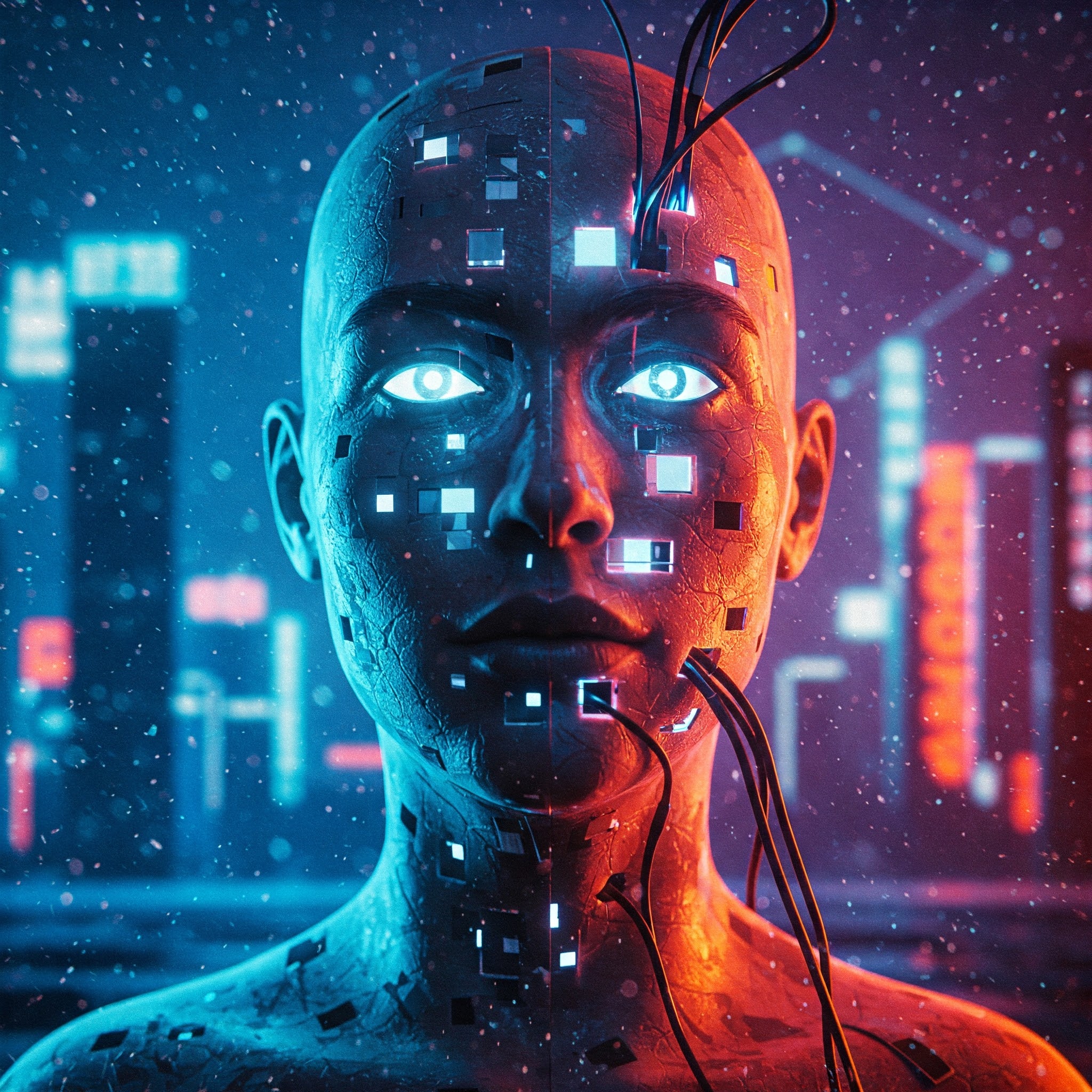 The Future Unfolding: The Transition to a Post-Digital Civilisation
What if… we lose the will to return? : What if the digital world becomes so rich, so curated, that the real world begins to feel intolerable by comparison, flawed, unpredictable, and slow? What if people begin to abandon physical relationships, civic duties, and even their bodies, not out of freedom, but apathy? If we build a world more appealing than nature, will we still care to preserve the one that birthed us?
What once seemed the stuff of science fiction is now unfolding before our eyes. The transition towards a post-digital civilisation is not some distant speculation, it is a process already in motion, accelerating with each technological breakthrough, reshaping the landscape of human life at an ever-faster pace. The seeds of this future have already been sown, and their growth is relentless.
- The Coming of Total Sensory Immersion – Technologies are rapidly moving towards the full simulation of sensory experience. Through the advent of the Internet of Senses, the digital world will no longer merely be seen and heard, it will be touched, tasted, even emotionally felt, with a fidelity indistinguishable from biological reality.
- The Digitalisation of Work and Identity – As automation and artificial intelligence assume control over physical labour, the majority of human activity, commerce, education, socialisation, creativity, will migrate entirely into the digital domain. Our sense of purpose, status, and self will be increasingly forged within synthetic worlds rather than natural ones.
- The Physical World as a Secondary Option – For many, the richness and freedom of digital existence will outweigh the limitations of the physical. In digital spaces, pain can be erased, mortality transcended, and experience infinitely reimagined. When the choice is between a fragile body in a limited world and an immortal self in limitless realms, the decision for many will seem obvious.
In this context, the physical world, so long our only home, may become a choice rather than a necessity. A relic of origin, not a restriction.
The inevitability lies not only in the progress of technology, but in the profound human desire for agency, for mastery over our conditions, for freedom from suffering and death. The tools to realise these aspirations are arriving faster than our cultures, laws, or philosophies can adapt.
And so, the question is not whether we will step into the post-digital future. It is whether we will do so wisely, or blindly.
Reflection: If digital experiences become more meaningful than physical ones, what will ground our sense of reality?
 What is Real? Beyond the Confines of the Physical World
As we slip beyond the confines of the physical world, we find ourselves standing before questions more profound than any technology can answer. What is the meaning of existence when reality itself becomes a choice? What binds humanity together when our experiences, our worlds, and even our forms are no longer shared?
The post-digital future promises boundless possibility, but it also threatens to erode the very fabric of what it means to be human.
- Are Digital Beings Still Human? – If a consciousness exists solely within a simulated realm, with no biological anchor, does it still possess the same rights, the same dignity, the same claim to humanity? When thought itself can be detached from flesh, does identity survive, or is something irretrievably lost?
- The Devaluation of Reality – In a world where every experience can be curated, perfected, and controlled, will we lose our appreciation for the imperfect beauty of authentic existence? Will true randomness, failure, and organic growth be seen as flaws rather than as the essence of life?
- The Fate of the Unaugmented – Not all will choose, or be able, to transition into the post-digital realm. Those who remain in the physical world may find themselves isolated, relics of a bygone era, as society’s centre of gravity shifts into synthetic domains. Will they be honoured and included, or simply forgotten?
These questions are not academic.
A civilisation that forgets the value of shared reality, that dismisses those who choose the tangible over the virtual, risks fracturing beyond repair. Without common ground, literal or metaphorical, the very idea of a collective humanity may dissolve.
Thus, as we race towards the creation of infinite realities, we must also race to preserve something even more precious: the meaning of being.
Call to Action: Support initiatives that protect the dignity of physical experience. Whether through nature conservation, physical arts, or analogue culture, help anchor society in shared, tangible moments.
Reflection: If we can control every detail of our lives, how do we maintain authenticity and empathy?
 Reaching for a New Reality: Liberation from the Physical
The vision of a humanity liberated from physical constraint is dazzling, but to reach it, we must first navigate a landscape of profound challenges. A civilisation cannot simply drift into post-digital existence; it must build the frameworks, technical, legal, psychological, that will sustain such a transformation without catastrophe.
Without deliberate preparation, the promise of the post-digital age could all too easily become a fragmented, unstable reality.
- Ensuring the Stability of Consciousness – If minds are to exist within digital spaces, the question of preservation becomes paramount. How do we guard against corruption, decay, or manipulation of consciousness? In a realm where existence is maintained by code, a single error, virus, or act of malice could destroy what we once called a life.
- Governance of Digital Existence – Our current laws are founded upon physical assumptions: land ownership, citizenship, bodily autonomy. In a world where individuals exist across networks and simulations, these foundations crumble. Who owns a digital self? What are the rights of a consciousness that no longer has a body, a birthplace, or a nationality?
- The Psychological Transition – Humanity has evolved in lockstep with the tangible. We know how to navigate a world we can touch, taste, and see. But in a fluid, malleable reality, where death may be optional and time subjective, can the human psyche remain coherent? Will minds endure, or fragment under the weight of endless choice and boundless experience?
The transition to a post-digital civilisation will not be a simple matter of technology, it will be a psychological and philosophical upheaval of unprecedented scale.
We must begin preparing now: crafting legal frameworks that recognise non-biological life, building systems to protect the integrity of identity, and developing new philosophies capable of guiding existence beyond the physical.
For without preparation, the post-digital world may not be a utopia of infinite possibilities, but a labyrinth of confusion, injustice, and existential despair.
Call to Action: Advocate for new legal frameworks that recognise digital identity and rights. Push for digital personhood laws and consciousness data protections in your local and national policy systems.
Reflection: How do we maintain psychological and social cohesion when reality becomes fragmented and subjective?
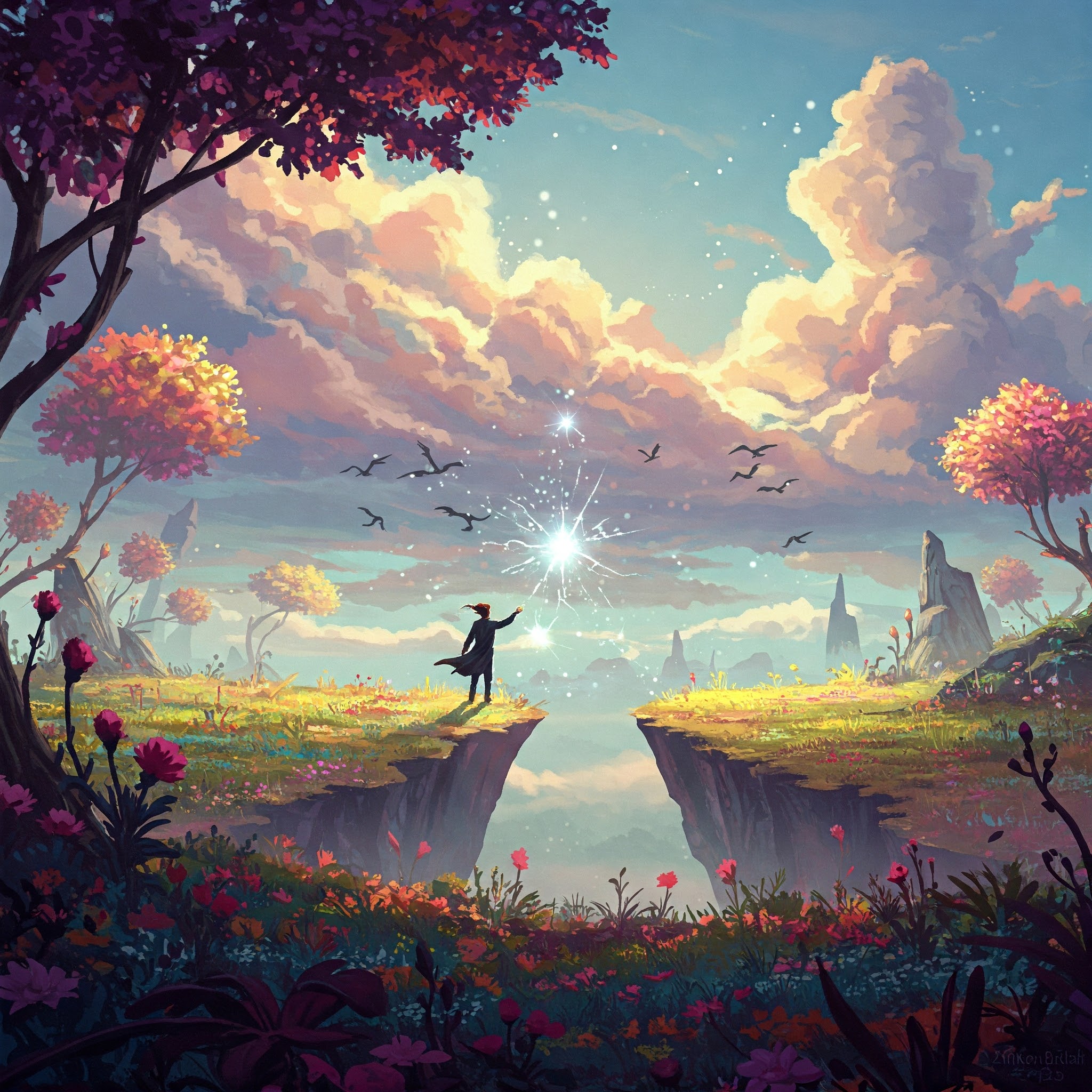 Flight of Fantasy Or Pre-determined Destiny
What if destiny is just a narrative we tell ourselves? What if our belief in a technological or cosmic destiny is not a natural progression, but a comforting illusion, one that masks our fear of decline, irrelevance, or extinction? Perhaps the drive to transcend, to expand beyond Earth or biology, is not an evolutionary calling, but a psychological defence against mortality. What if, in chasing transcendence, we are not pursuing truth, but fleeing the uncomfortable reality that not all progress is growth, and not every possibility is meant to be realised?
The idea of a post-digital humanity is not a flight of fantasy, it is the next step in the relentless journey of evolution. In a future where consciousness is no longer confined to the fragile scaffolding of flesh, humanity may at last achieve what philosophers, mystics, and dreamers have long imagined: liberation from the limitations of existence itself.
In such a world, life will not be defined by geography, biology, or even time. A person might span countless realities, living many lives, crafting and inhabiting worlds shaped not by nature, but by imagination.
Existence will become an act of creation. Yet this future, dazzling though it is, demands a choice.
Will we embrace the opportunity to become architects of reality itself, or will we cling to the familiar comforts of the physical world, fearful of what we might lose? Will we build a civilisation of empathy, creativity, and shared purpose in these new realms, or will we become lost in isolated fantasies, fragmented beyond recognition?
The post-digital future is not a certainty written by machines, it is a destiny shaped by human hands, minds, and hearts.
It asks not simply what we can become, but who we choose to be.
For in a world where existence is limited only by the imagination, the greatest frontier will no longer be space, or technology, or biology, it will be the essence of humanity itself.
Reflection: When we can live in any world and any form we choose, what kind of life, and self, will we value?
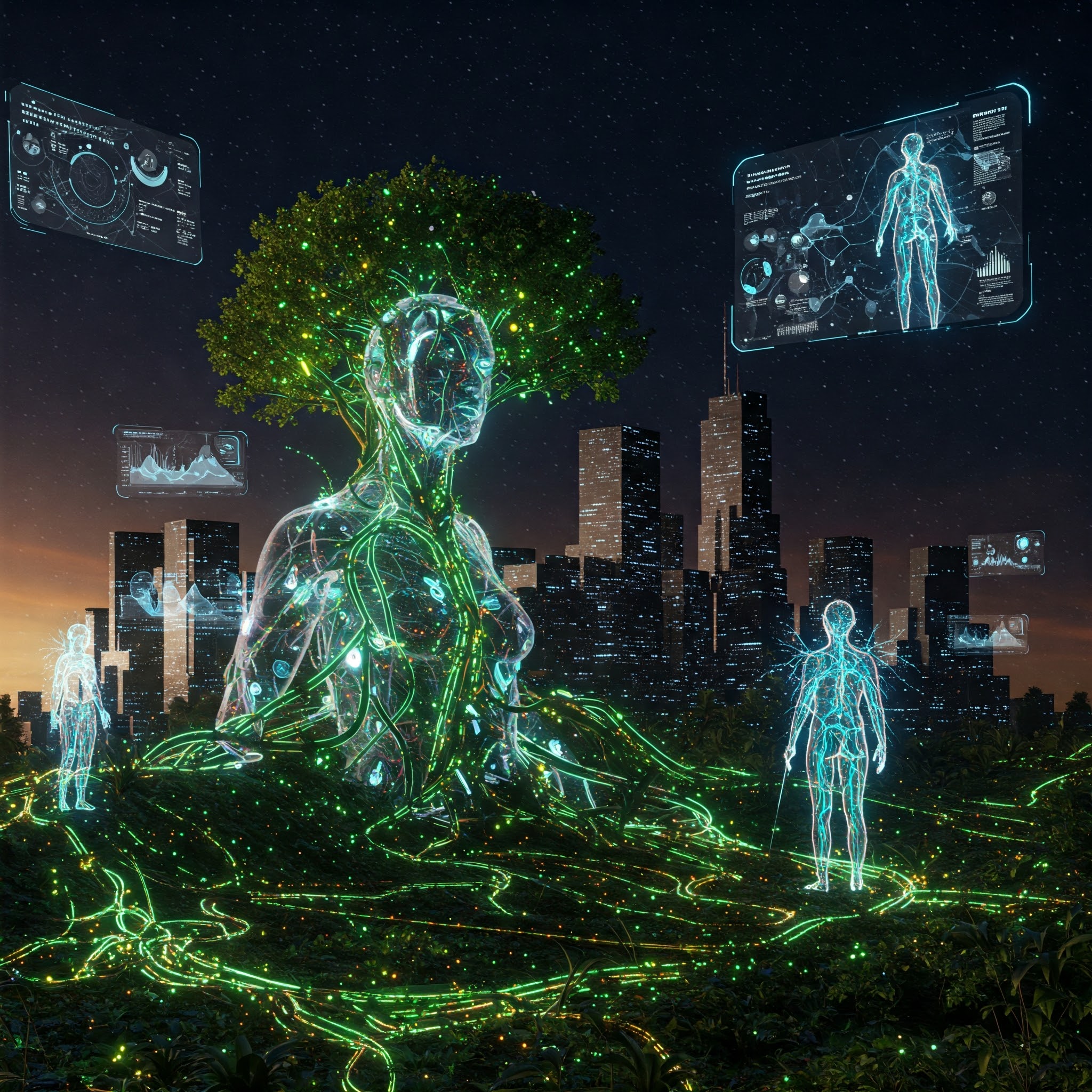 A Multidimensional Future: The Convergence of the Physical and Digital
For much of human history, the physical and digital worlds have been separate realms, one tangible, immutable, defined by natural law; the other intangible, fluid, a construction of circuits and code. But now, the wall between these worlds is crumbling.
We are entering an era where the physical and the digital are no longer distinct domains, but strands of a single, woven existence.
Reality itself is becoming multidimensional.
The advances driving this transformation, artificial intelligence, spatial computing, quantum processing, bio-digital interfaces, are not simply enhancing our interaction with the world; they are rewriting what the world is.
In this future, the question will not be whether we live in the physical or the digital. It will be how many realities we choose to inhabit, and how we navigate the spaces between them.
The convergence of these dimensions is not an event; it is a process already underway. It promises a future where life is richer, more fluid, and more complex than anything we have ever known.
But it also demands that we redefine what it means to be present, to be real, and ultimately, to be human.
Reflection: Can we remain connected as a species when each of us may live across different layers of reality?
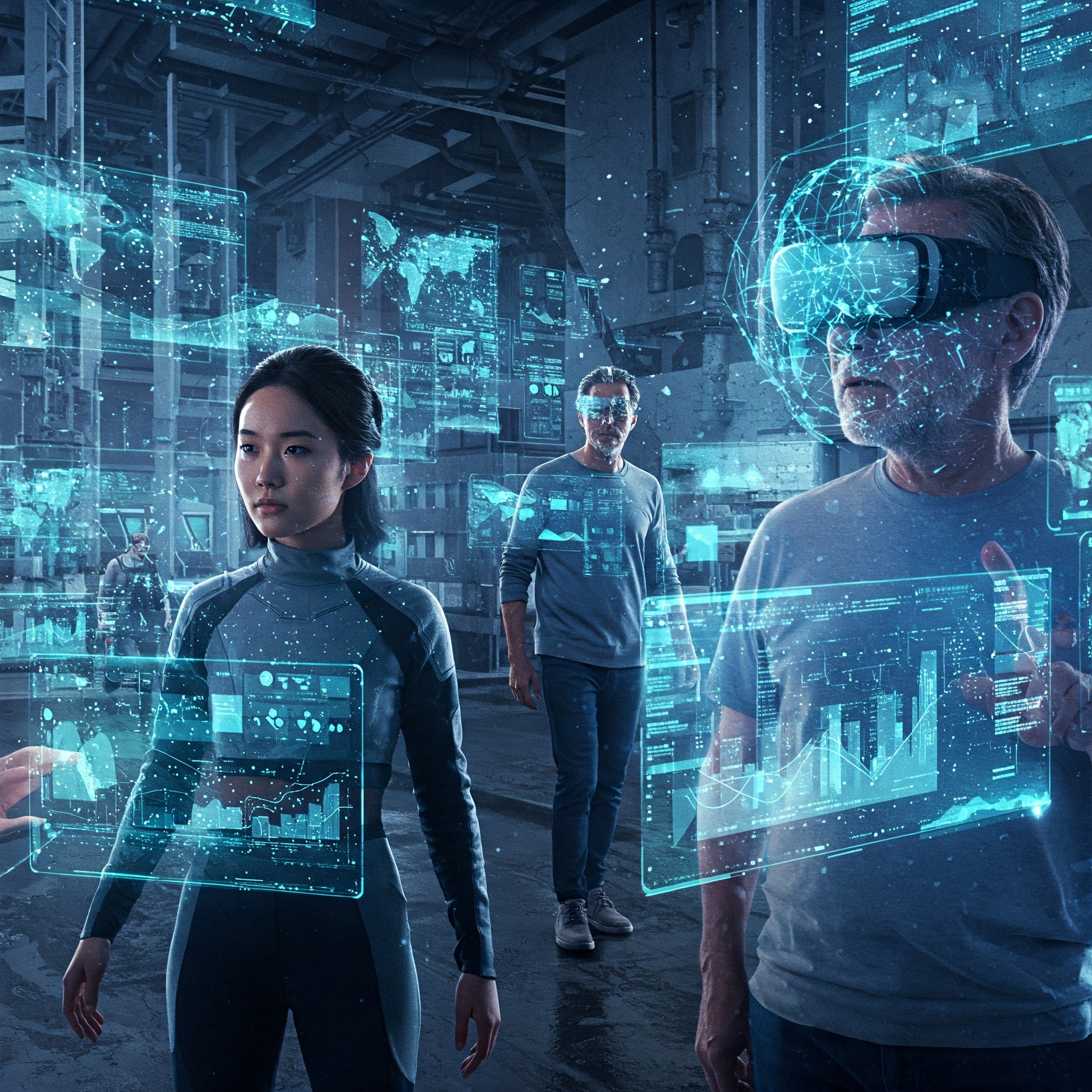 The Evolution of Reality: Merging The Digital and Physical Worlds
What if there is no centre? What if, in the endless layering of realities, truth itself becomes irrelevant? When every person lives in a personally curated world, each with different facts, laws, and histories, how do we agree on what is real? What if the concept of a “shared world” disappears, and with it, democracy, collective action, and justice?
The boundary between the tangible and the virtual is dissolving, not with a sudden rupture, but with a steady, inexorable blending. What was once distinct, the solidity of stone, the intangibility of code, is converging into a new, fluid spectrum of reality.
We are no longer merely enhancing the physical world with digital tools; we are remaking reality itself into a layered, multidimensional construct.
- The Programmable Physical World – Through the fusion of nanotechnology, artificial intelligence, and advanced materials, the very fabric of the physical environment will become programmable. Walls that adapt their texture, streets that reconfigure for safety or celebration, and clothing that shifts its form and function at will, these will be commonplace. The inert will become interactive.
- Biological and Digital Consciousness Intertwined – Brain-machine interfaces will offer seamless communion between human thought and digital systems. Not merely an extension of senses or memory, but a full interlacing of mind and machine. The act of thinking will influence both the physical and digital environment in real time, blurring the line between internal desire and external change.
- Augmented Reality as Persistent Reality – No longer a novelty or a temporary overlay, augmented reality will become a constant companion. Digital layers will persistently coexist with the physical world, accessible at a glance or a thought. Cities will be seen through infinite lenses, one visitor experiencing a medieval reimagining, another a futuristic utopia, all on the same streets.
Reality will become subjective, multi-threaded, and deeply personal. Each individual will inhabit a unique tapestry of the physical and digital, woven seamlessly together.
The evolution of reality is not simply about escape or embellishment, it is about choice. It is about the power to shape the world around us to reflect who we are, what we value, and how we wish to live.
Yet, in a world where reality itself can be reconfigured at will, we must also ask: what remains universal? What binds us together when our worlds no longer overlap?
For as much as this future promises unparalleled freedom, it also demands new forms of connection, lest we lose each other in the labyrinths of our own making.
Reflection: When we can programme our environments, will we still cherish what is wild, unpredictable, and real?
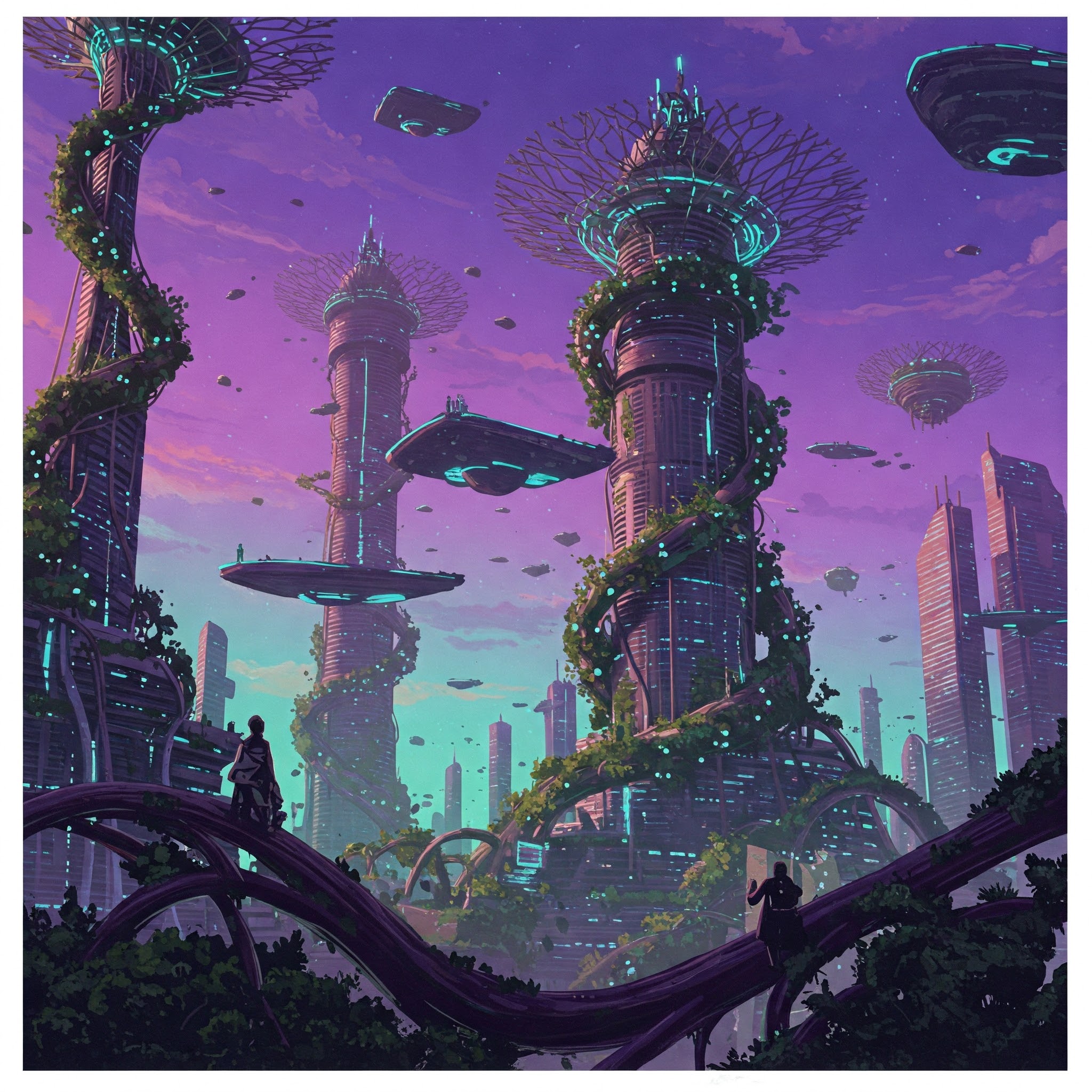 Speculative Dream, or Future Reality? Human Desire to Transcend Limitation
The merging of the physical and digital worlds is not a speculative dream, it is a tide already pulling us forward, driven by forces too vast, too deeply woven into our lives to resist.
The inevitability of this multidimensional future lies not only in the advance of technology, but in the profound human desire to transcend limitation.
- AI and Digital Companions as Extensions of Self – Artificial intelligence is ceasing to be a tool external to us; it is becoming an augmentation of our very thought processes. AI companions, advisors, and extensions of consciousness will blur the lines between individual and machine, thought and computation. Intelligence itself will no longer be solely human.
- The Internet of Senses Creating Indistinguishable Experiences – As the full range of human perception, sight, sound, touch, taste, smell, and even emotional nuance, is digitally replicated, the distinction between physical and digital experiences will erode entirely. A digital embrace, a virtual feast, a synthetic sunset, all will feel as real as those shaped by nature.
- Quantum Computing Opening Infinite Worlds – With the unimaginable power of quantum processing, the creation of entire simulated universes, each with its own laws of physics, cultures, and histories, will become feasible. Reality will no longer be a single continuum, but a spectrum of possibilities, each as vivid and complex as the physical world we once believed was the only one.
- Bio-Digital Convergence Redefining the Human Body – Genetic engineering, neural implants, and biological computing will transform the body into a living interface between realities. The human form will become a gateway, capable of shifting effortlessly between physical space and digital domain.
At that point, reality will cease to be a monolithic experience. It will become modular, adaptable, and deeply individual. The question will no longer be whether we should live in a digital or physical world, but how we will balance, integrate, and move between the many realities available to us.
This convergence is not a distant possibility, it is already reshaping our world.
And it is irreversible.
Reflection: Before the line between real and virtual vanishes entirely, what do we need to preserve?
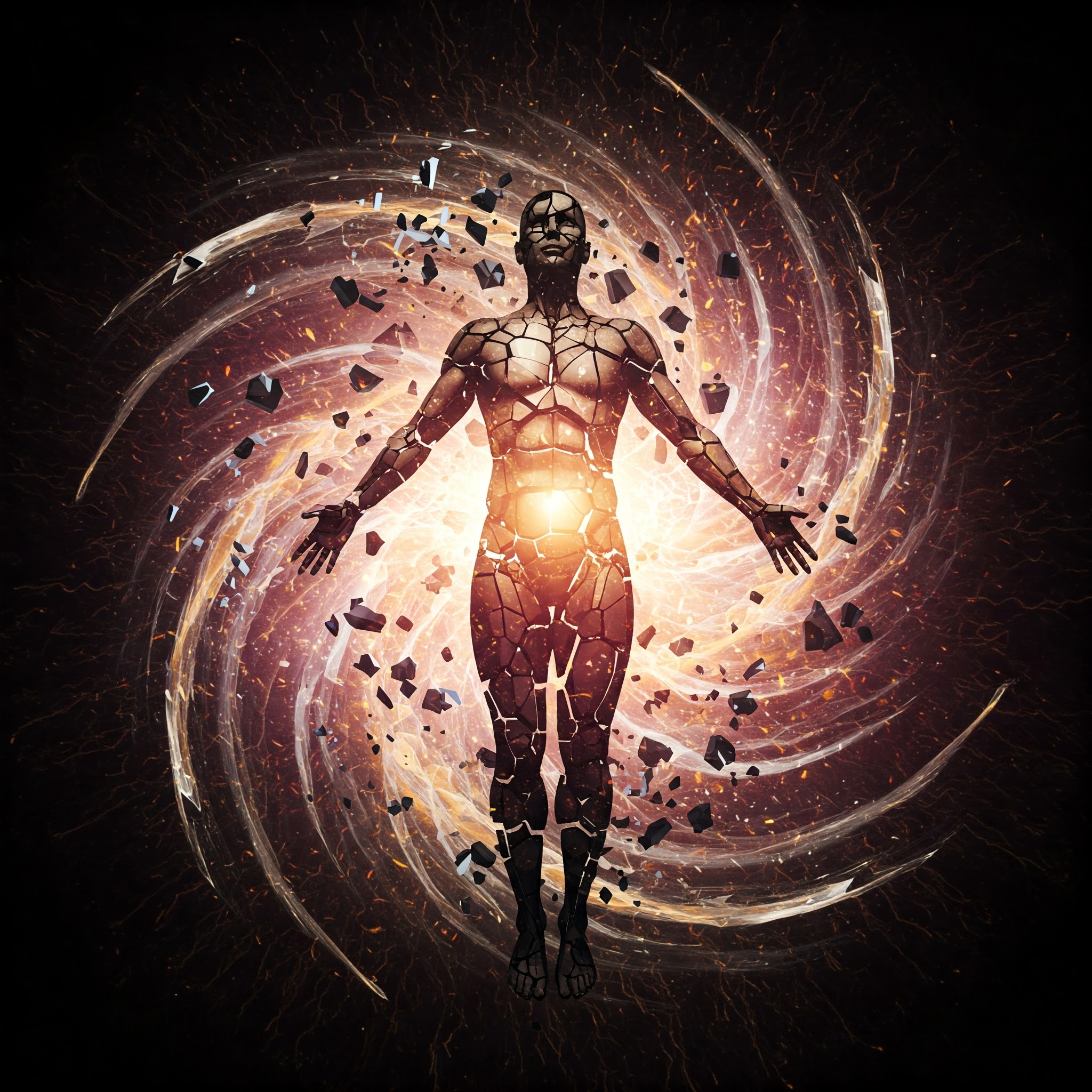 Fracturing Humanity: What if we Can’t go Back?
What if fragmentation becomes irreversible? What if, as humanity spreads across dimensions, physical, digital, augmented, we reach a point where connection is no longer possible? Different realities, different timescales, different cognitive architectures. What if the divergence between post-humans, digital minds, and biological humans grows so vast that dialogue breaks down, not out of conflict, but incomprehension? What if, in evolving beyond our shared world, we quietly evolve beyond one another?
In a future where reality is no longer singular, but splintered across dimensions and tailored to the whims of the individual, the deepest questions humanity faces will not be technical, they will be ethical, existential, and profoundly human.
How do we live together when each of us inhabits a different world?
- The Fragility of Human Relationships – If individuals can inhabit wholly separate realities, curated to their own preferences and experiences, what happens to shared connection? Family, friendship, love, these have always relied upon a common frame of reference. In a future of fragmented realities, will those bonds endure, or dissolve under the weight of personalised existence?
- The Governance of Infinite Worlds – When people live across multiple realities, who makes the laws? Who defends the rights of individuals who may exist in one, two, or dozens of digital spaces simultaneously? The very notion of governance must be reimagined to span dimensions, not just territories.
- The Risk of Devaluing the Physical – As digital worlds grow richer, more malleable, and more rewarding than the physical one, the organic world, the Earth that gave birth to us, may come to be seen as obsolete. Will we still value the fragile beauty of an ancient forest, the randomness of a summer storm, the imperfect but irreplaceable miracle of biological life?
Choice, once a matter of action, will become a matter of existence. Every day, every moment, individuals will decide which reality, or realities, they wish to inhabit. Without a shared anchor, the very idea of humanity as a singular, connected species may be challenged as never before.
We must ask ourselves now: when reality itself becomes a fluid spectrum of options, what will hold us together? What meaning will we assign to loyalty, empathy, community?
For in a future of infinite realities, the true challenge will not be finding experiences, it will be finding each other.
Call to Action: Contribute to the creation of shared digital spaces, educational, cultural, and civic, that invite all forms of reality-dwellers to connect. A future with many worlds must still have places where we meet.
Reflection: What holds a society together when people no longer share the same world or experiences?
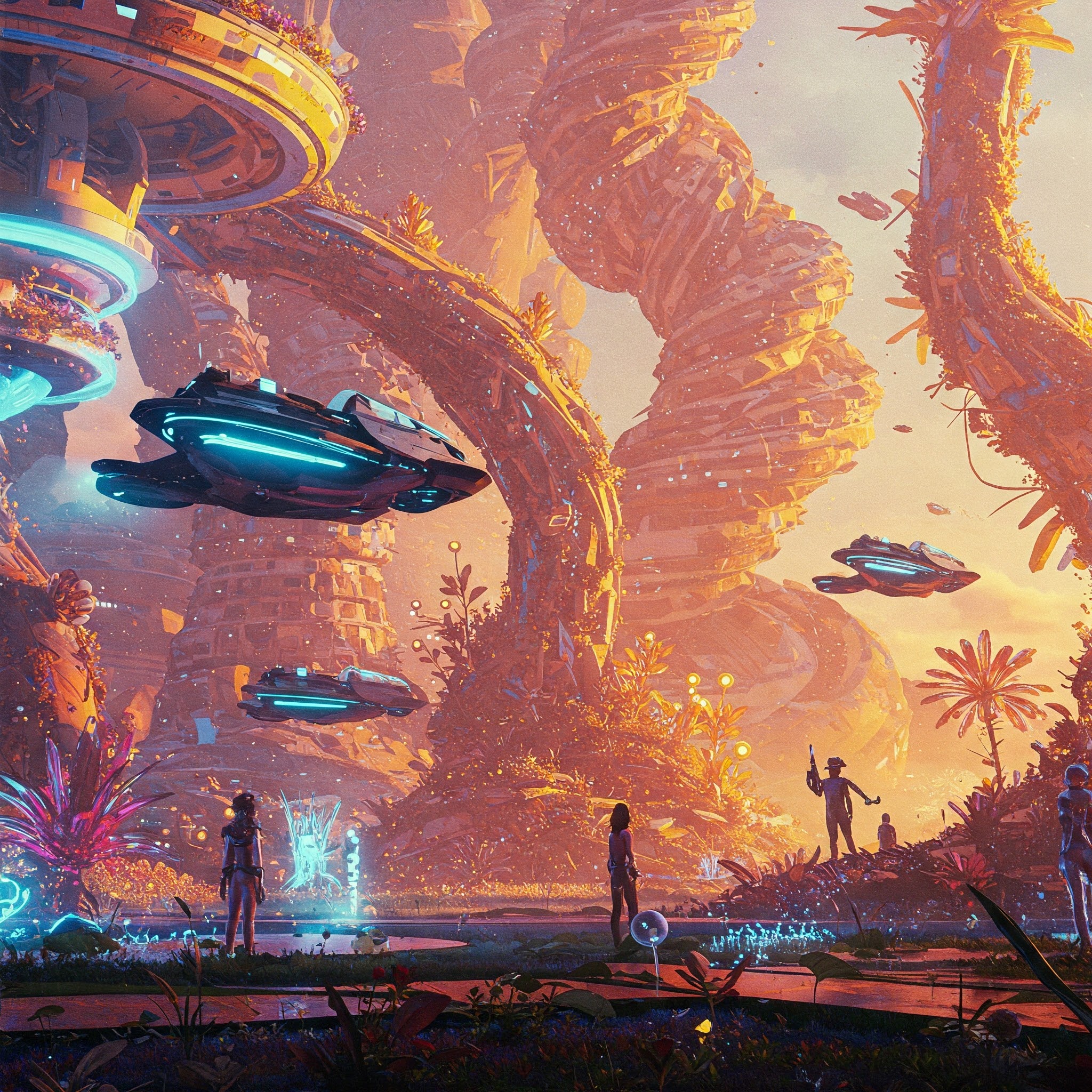 Seamless Existence: Wonders Beyond Imagination
The convergence of the physical and digital into a seamless, multidimensional existence promises wonders beyond imagination, but it also demands preparation of an unprecedented kind. Without deliberate foresight, the future we create may fracture society, overwhelm the mind, and blur the very meaning of identity.
The challenges are as vast as the opportunities.
- Interoperability Between Digital and Physical Systems – To move effortlessly between dimensions, our technologies must be unified. A consciousness navigating a digital landscape must be able to re-enter the physical world without disruption or disorientation. Systems must be interoperable across realities, ensuring continuity of self, memory, and agency.
- Governing Virtual Existence – The laws of nations are rooted in land, language, and physical presence. How do we legislate for a population that no longer inhabits a single world? New frameworks must emerge to govern rights, responsibilities, crime, and commerce across layers of existence, both tangible and intangible.
- Safeguarding Psychological Health – As individuals experience multiple, often contradictory realities, the risk of cognitive fragmentation will rise. Psychological resilience programmes, ethical guidelines for reality design, and mental health safeguards must become integral parts of this new society. Without them, humanity risks losing its coherence amid infinite choice.
- Preventing Reality Fragmentation – If each individual or community curates their own reality, society may splinter into isolated echo chambers, with little shared understanding. Efforts must be made to create common spaces, shared experiences that maintain a sense of collective identity, even amidst profound personalisation.
Preparing for a multidimensional future is not simply a task for engineers or coders. It is a societal endeavour, requiring collaboration between technologists, philosophers, policymakers, artists, and citizens alike.
It demands that we weave together innovation with wisdom, freedom with responsibility, imagination with empathy.
For only by doing so can we ensure that the realities we create are not prisons of isolation, but worlds where humanity, in all its diversity, can continue to thrive.
Reflection: Can we maintain shared meaning in a world where each person lives a different truth?
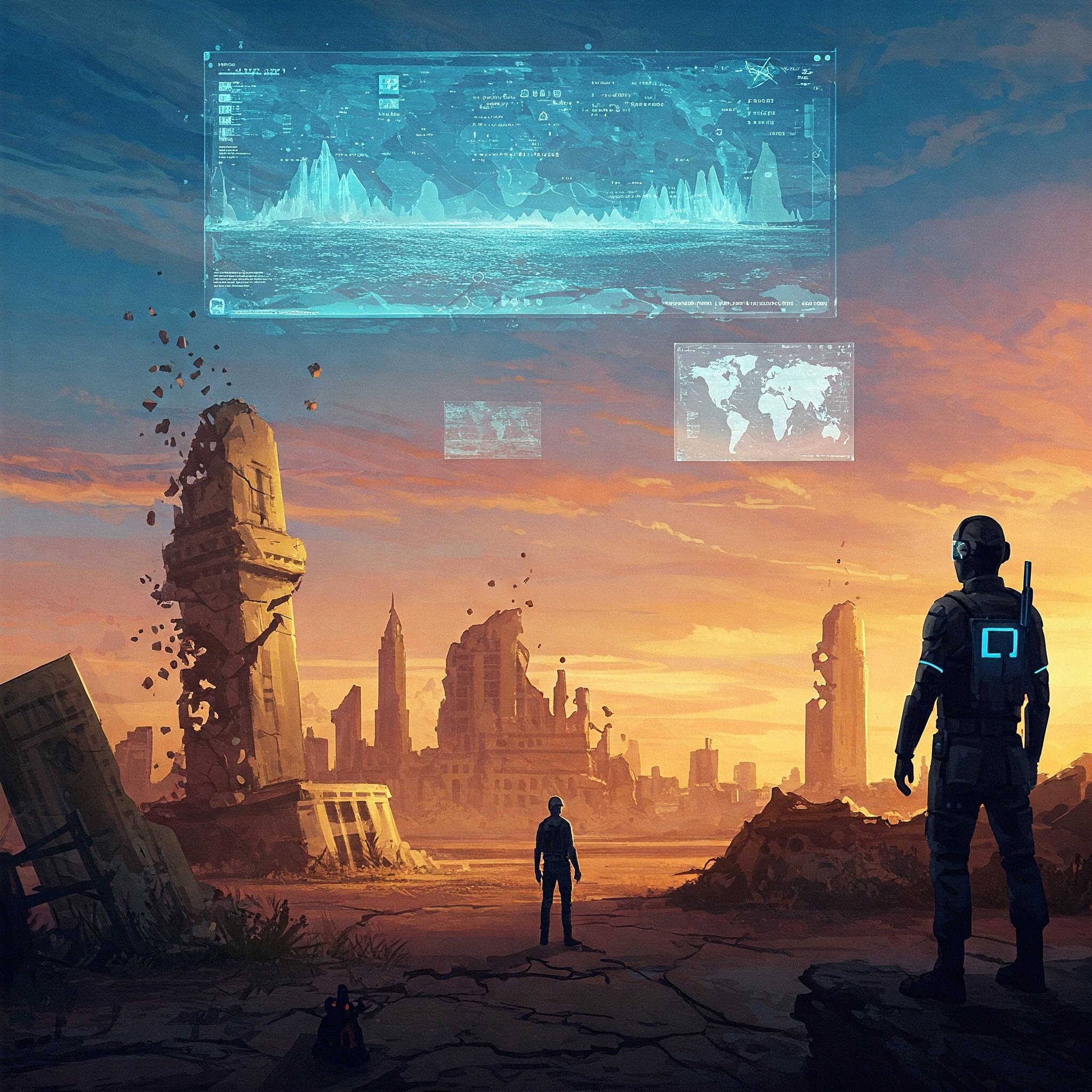 A Future Without Boundaries: Bringing Down the Containing Walls
As the convergence of the physical and digital deepens, the walls that once contained human existence begin to dissolve. Geography, biology, even the fixed nature of reality itself, these will cease to define the limits of our lives.
We are stepping into an age where movement between dimensions, between bodies, between worlds, becomes as natural as walking from one room to another. Humanity will no longer be confined by a single version of reality, we will inhabit many, simultaneously, fluidly, without hesitation.
In this future without boundaries, existence will become a palette of choices.
We will work in one reality, socialise in another, and retreat to rest in a third. Our identities may fragment and recombine, our experiences shaped not by birth or nation, but by the realities we choose to inhabit and the dreams we choose to pursue.
But with this freedom comes a profound question: If reality itself becomes optional, what will we choose to value?
Will we embrace the limitless, crafting lives of exploration, artistry, and connection across infinite worlds? Or will we retreat into solipsistic realms, each of us sealed within a private universe of our own design, untouched by others?
The merging of the physical and the digital is not merely a technological revolution, it is a human one. It asks us not only what kind of worlds we can create, but what kind of beings we wish to become.
Boundaries are falling. Horizons are vanishing. The future will not be about finding our place within reality, it will be about defining reality itself. And the greatest frontier we face will not be out there, beyond the stars.
It will be within us.
Reflection: Will infinite freedom bring fulfilment, or confusion, fragmentation, and loss of purpose?
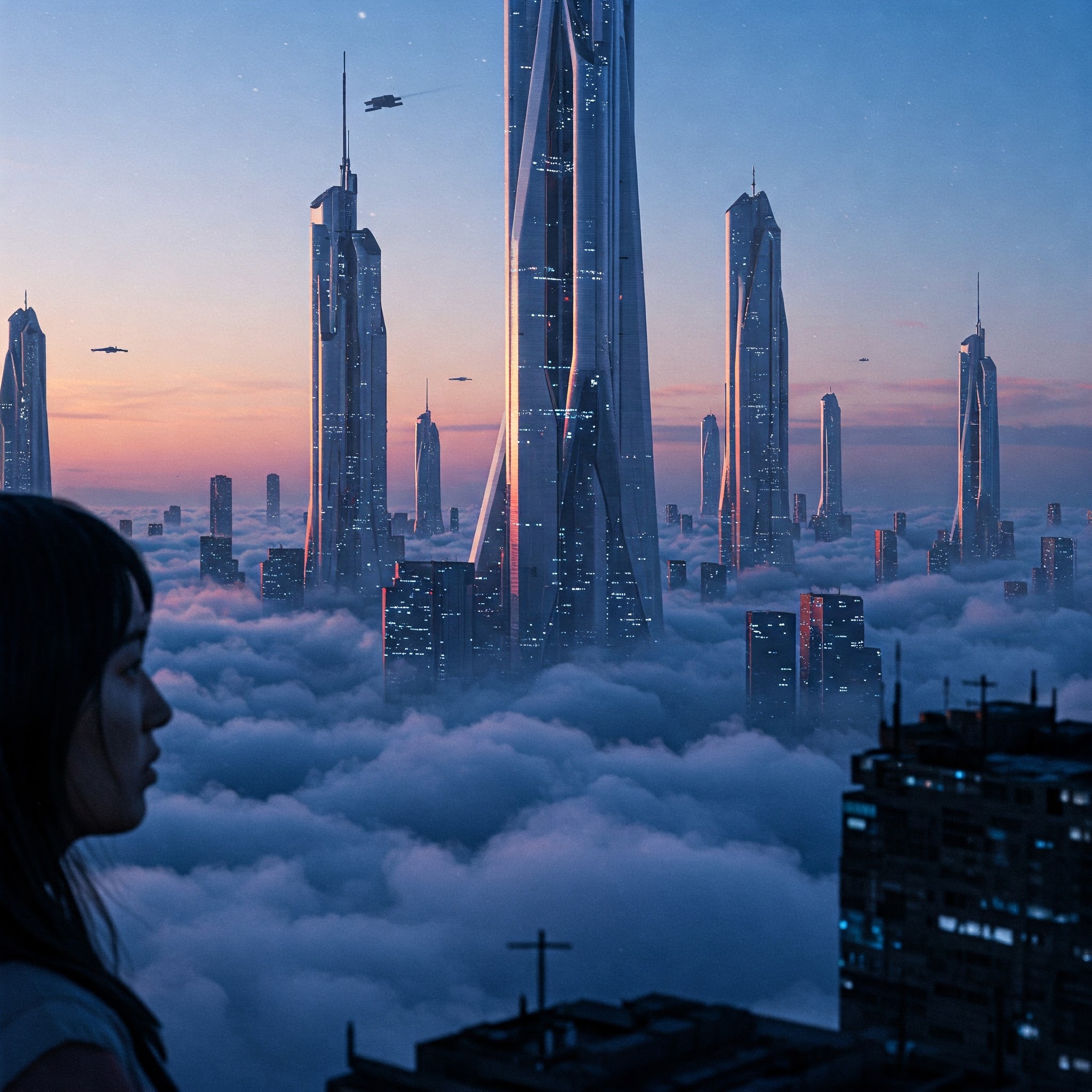 Not Without it’s Challenges: The Ethical and Existential Debate
A hyper-future, a future beyond Earth, beyond biology, beyond singular reality, offers humanity a landscape of possibilities so vast it almost defies comprehension. Yet within this exhilarating expansion lies a shadow of equally vast complexity: the challenge of preserving meaning, identity, and justice in a world where everything can be changed, designed, or transcended.
The greatest trials of the hyper-future will not be technological.
They will be ethical.
They will be existential.
As we dismantle the old limitations, we must confront questions that strike at the heart of what it means to exist.
- The Disintegration of Shared Experience – As individuals spread across planets, simulations, and augmented dimensions, the common experiences that have historically united humanity, birth, death, seasons, stories, may fragment beyond recognition. Without shared milestones or common realities, can a sense of community survive?
- The Collapse of Traditional Institutions – Nations, economies, even cultures have all been built upon a shared physical existence. What becomes of governance, law, or collective action when humanity no longer resides within a single, tangible world? Will the structures that have defined civilisation crumble, or evolve into something new and unrecognisable?
- The Redefinition of Personhood – In a world where consciousness can be digitised, copied, enhanced, or reborn in multiple forms, the very idea of a ‘person’ may fracture. Who holds rights, the original mind, its digital replica, its augmented successor? What happens when sentient beings arise who have no biological ancestry at all?
- The Temptation of Control – With the ability to craft entire realities, there will come the temptation to dominate them. Corporations, individuals, even rogue intelligences could wield god-like power over entire swathes of experience, raising urgent questions about freedom, consent, and sovereignty within synthetic realms.
The hyper-future will test the boundaries of morality as no age has before.
We must be ready not only to build new worlds, but to ensure that those worlds remain places where dignity, justice, and empathy are not lost amidst the glittering possibilities.
For if we succeed, humanity may enter a golden age unlike any before.
But if we fail, we risk creating a future rich in wonders, yet empty of soul.
Reflection: How do we build a future that honours humanity, not just in form, but in values?
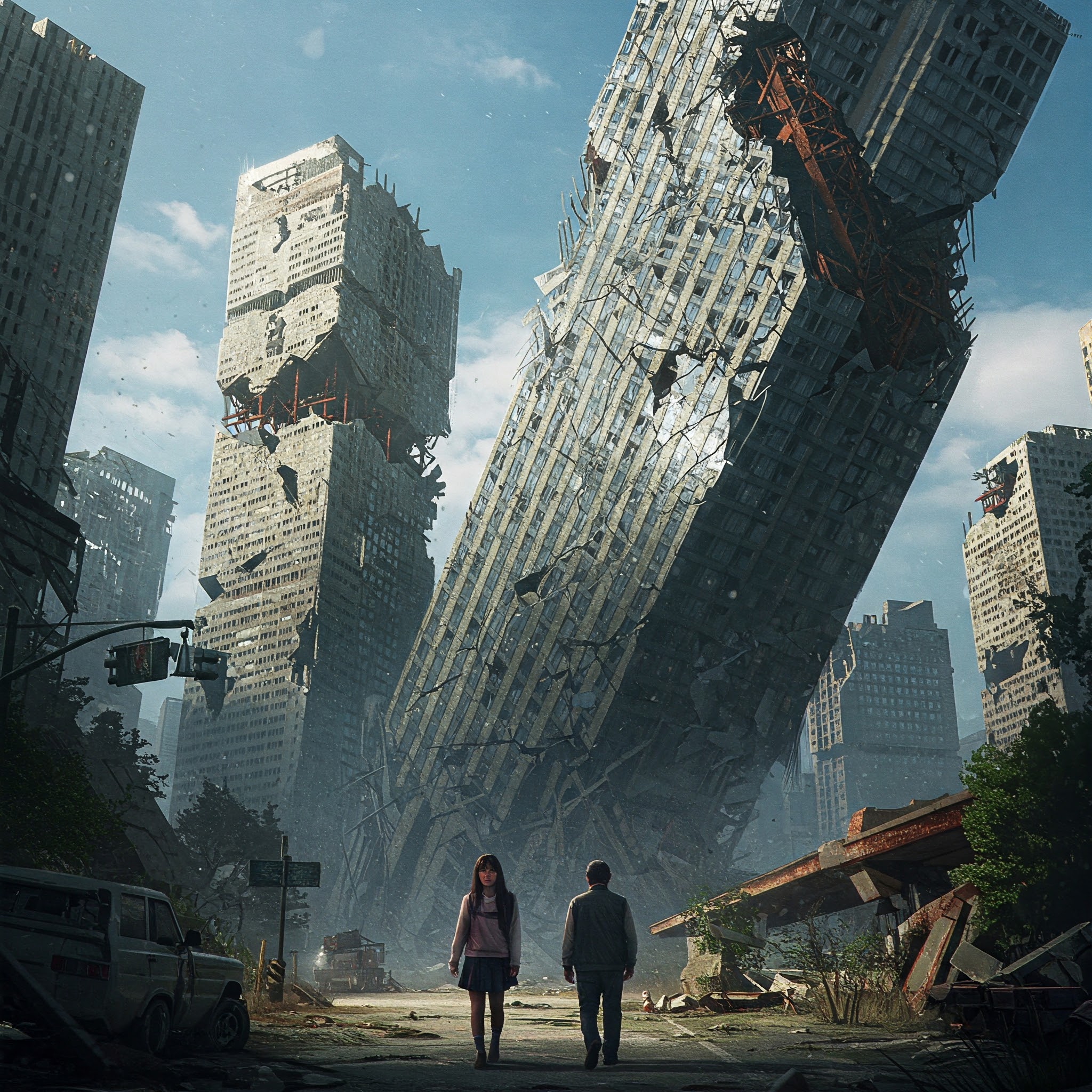 Human Connection: The Loss of a Shared Human Experience
For millennia, it was the commonalities of existence that bound humanity together, the rising and setting of the sun, the cycle of seasons, the inevitability of birth and death. Whether separated by oceans or generations, people shared a fundamental reality that stitched their stories into a collective tapestry.
But in the hyper-future, that common ground may vanish.
When humanity no longer inhabits a singular world, or even a singular kind of body, what remains to unite us?
- The Divergence of Societies – As some ascend into digital existence, some colonise distant planets, and others remain rooted in traditional biological life, we may see the emergence of entirely separate civilisations. Not merely different cultures, but different species of human experience, evolving apart.
- The Choice of Reality – In a world where existence itself becomes a matter of personal design, shared reality may fracture irreparably. Individuals could inhabit customised dimensions, never touching the same sky, never feeling the same wind, never speaking the same truths. When reality is no longer common, what happens to empathy, to understanding, to trust?
- The End of Traditional Nations and Institutions – Boundaries drawn on maps, constitutions written for physical communities, all may become relics of a time when humanity lived in a single world. How does one govern a people scattered across realities, bodies, and modes of being? Will the very idea of a nation-state become obsolete?
Without a shared frame of reference, humanity risks becoming a chorus of isolated voices, each singing a different song, each unable to hear the others, a cacophony of noise where the risk is the loudest drowns out all the others.
The danger is not merely social, it is existential. For a species that evolved to survive through collaboration, the dissolution of shared reality could mean the dissolution of humanity itself.
In the end, our greatest challenge may not be to invent new worlds, but to find ways of remaining connected within them.
Without a common experience, we may possess infinite realities and yet lose ourselves completely.
Reflection: Without common reference points, can empathy and understanding still thrive?
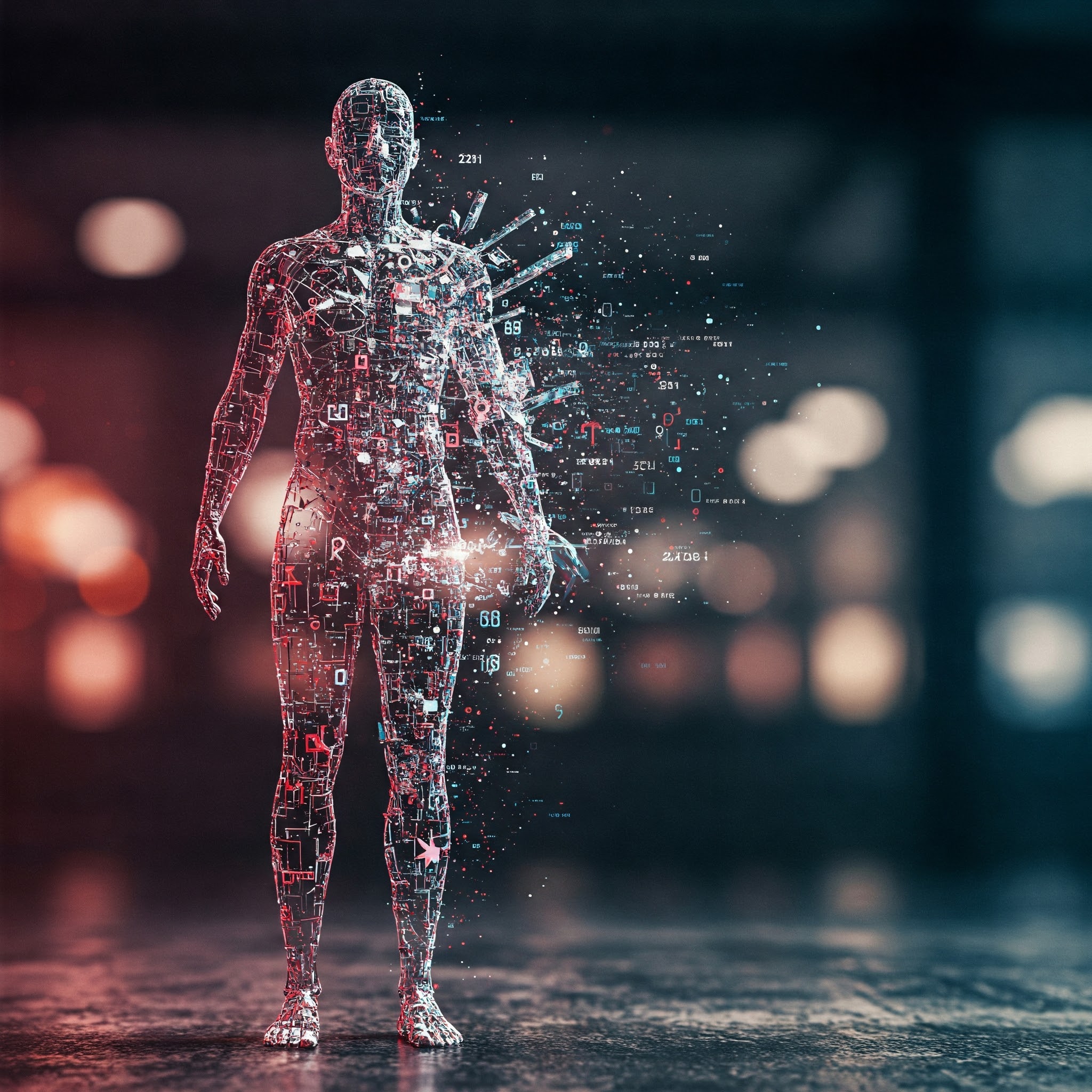 Are we still Human? Who (or What) Counts as Human?
As consciousness breaks free from biology and intelligence takes on new and varied forms, a foundational question will rise to the surface, urgent, unavoidable, and deeply unsettling:
Who, or what, do we consider human?
When the boundaries between flesh and code, mind and machine, self and simulation are blurred, the notion of personhood, once anchored to the human body, must be redefined.
- Are AI and Digital Entities Alive? – As artificial intelligences grow more sophisticated, more self-aware, more capable of emotion and reflection, do they cross the threshold into personhood? If a digital being claims to feel joy, fear, or pain, do we believe it? And if we do, do we owe it rights, protection, respect? How do you prove things that we cannot encapsulate and measure?
- What Becomes of the Original Self? – If a human mind can be copied, backed up, and run in multiple digital environments, which version is you? Are they all the same person? Do they each have separate identities, or share one? What happens when those copies diverge, evolve, or make conflicting choices?
- The Rise of the Post-Human – As biological humans augment themselves with genetic modifications, neural implants, and synthetic extensions, they may evolve into beings with cognitive and physical capacities far beyond the unenhanced. At what point does an enhanced individual become something else entirely? Do they still belong to humanity, or to a new class of being?
- Rights and Recognition Across Forms – A society in which humans, digital minds, AI beings, and post-biological entities coexist will need a new definition of citizenship, of sentience, of belonging. Legal systems, once based on blood, breath, and bone, must expand to include entities without organs, or even origins.
These are not questions for the far future, they are the legal and moral dilemmas already whispering at our doorstep.
To navigate this future with integrity, we must craft a new social contract, one that transcends the body, honours consciousness in all its forms, and ensures that intelligence, however it manifests, is never stripped of its dignity.
Because in the end, the question is not simply what is human, but what is worthy of being recognised, respected, and remembered.
Reflection: What makes someone, or something, worthy of being recognised as a person?
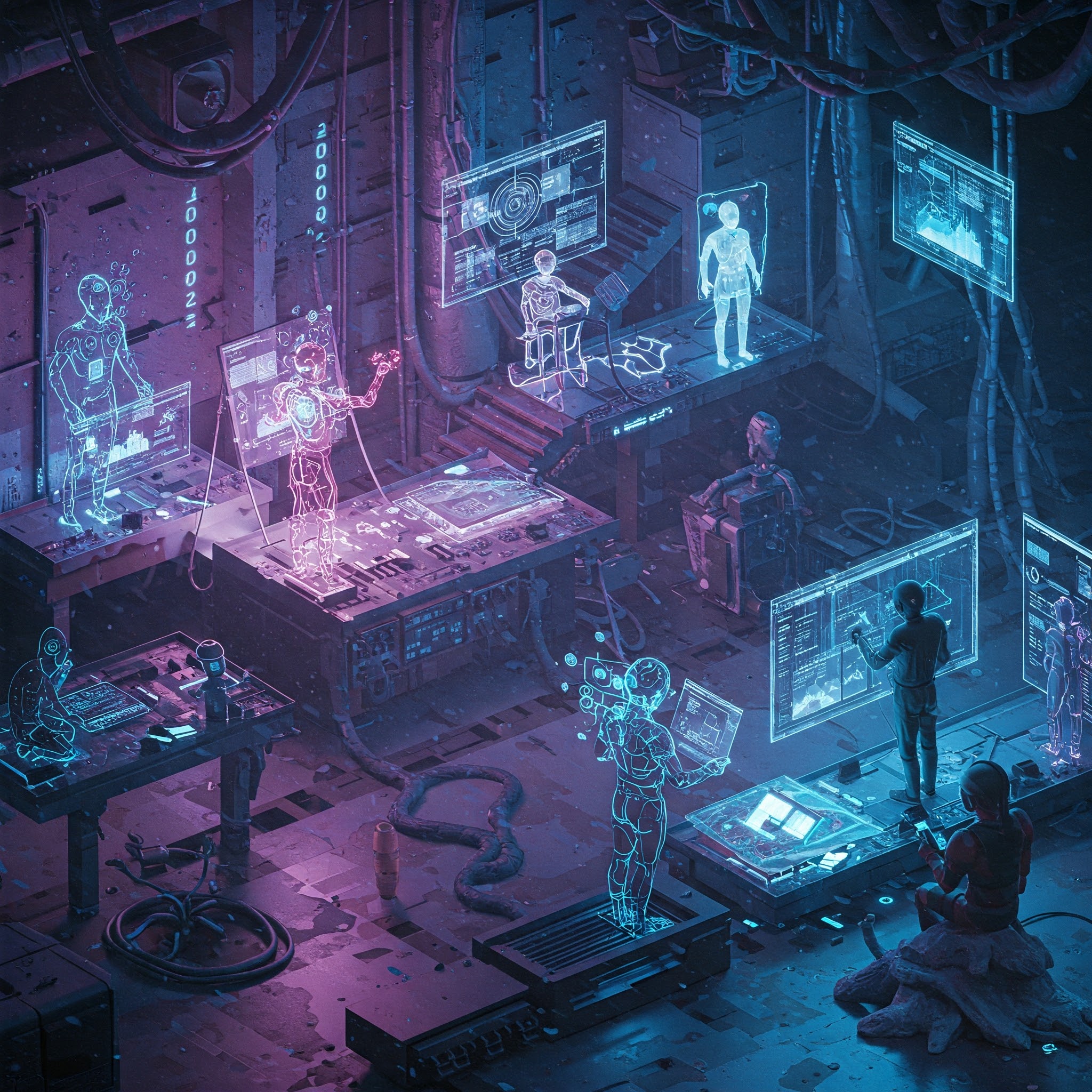 Who Controls Reality? Ethics in a Post-Physical World
What if reality becomes a tool of manipulation? What if those who design and control virtual environments, corporations, states, or individuals, use their power not to liberate minds, but to shape them? If experience can be edited, memories rewritten, and environments tailored to influence emotion and belief, who safeguards truth? What if freedom in the post-physical world becomes an illusion, where people believe they are choosing, but every choice is guided by unseen hands?
In a future where reality is no longer given but constructed, no longer uniform but infinitely customisable, power takes on an entirely new dimension. It is no longer just about land, resources, or wealth, it is about the authority to define experience itself. We are a society which values tangible things, how will we move beyond the material and recognise new value models?
When reality can be designed, who decides what is real?
In a post-physical world, this question becomes not philosophical, but political, and urgent.
- The Power to Create Universes – With AI-driven tools and quantum computation, individuals, corporations, and governments may gain the ability to generate entire worlds, each with its own rules, aesthetics, and narratives. But who regulates these worlds? Who ensures that they are safe, fair, or even ethical? The power to create may become indistinguishable from the power to control.
- Perception as a Battlefield – In a world where digital sensations can mimic or surpass real experience, perception becomes vulnerable. Minds may be influenced, manipulated, or coerced by environments crafted not to inform, but to persuade. Truth, already fragile, may dissolve entirely when reality itself can be edited like a film.
- The Ownership of Minds – If a consciousness is uploaded, hosted, or stored on private infrastructure, who owns it? Can a person lease their own mind? Can it be paused, sold, or deleted? These are no longer metaphors, but plausible scenarios in a world where identity is data.
- The Ethics of Synthetic Sovereignty – If people choose to live within private virtual realms, governed by algorithmic systems or commercial entities, do they forfeit their civic rights? Who protects them from exploitation? In a future where platforms replace nations, the architects of virtual space may become the lawmakers of lived experience.
The manipulation of reality may be subtle or overt, benevolent or sinister, but its ethical weight is immense.
The post-physical world offers breathtaking freedom, yet also terrifying control. It invites us to explore, but demands that we define the boundaries, lest we find ourselves at the mercy of those who would shape our minds as easily as they shape code.
Ultimately, the question is this:
In a world where reality can be anything, who gets to choose what it is?
Reflection: If perception can be controlled, who should have the power to shape what others see and believe?
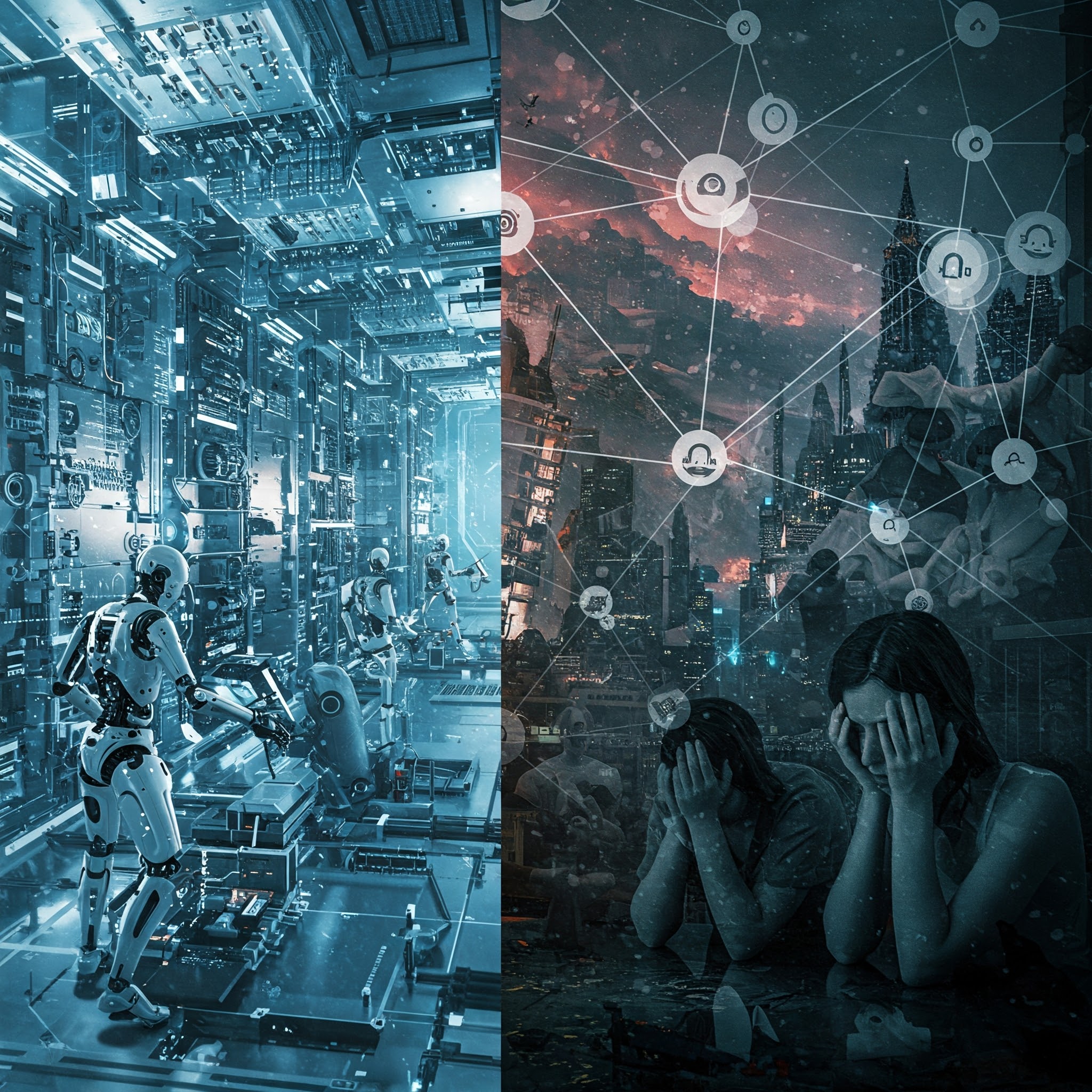 Who Gets to Transcend? The Inevitability of Inequality
Every technological leap in history has offered humanity the chance to rise, and the danger of leaving others behind. The hyper-future, with its promises of digital immortality, post-biological evolution, and limitless reality, is no different. In fact, it may be the most unequal transformation ever imagined.
Because in this future, inequality will not just mean wealth or access. It will mean the difference between those who remain human, and those who become something more.
- The Rise of the Digital Elite – Those with the resources to upload consciousness, augment intelligence, or explore synthetic realities may evolve beyond traditional human limitations. This new class of post-human entities could enjoy lives spanning centuries, realities tailored to their desires, and powers once reserved for gods. Meanwhile, others may be left in the biological past, unable to follow.
- A Two-Tiered Reality – One world may be populated by transcendent beings who no longer experience hunger, pain, or death. The other may remain grounded in ageing bodies, fragile ecosystems, and outdated systems of governance. This is not merely a social divide, it is an existential one.
- The Ethics of Abandonment – What responsibility do those who transcend have to those who cannot? If a segment of humanity departs for digital realms or distant worlds, do they owe anything to the billions who remain behind? Or will the Earth become a museum of unenhanced life, overseen from afar by those who have moved on?
- Barriers to Entry – Digital evolution, like any powerful technology, will come at a cost. Infrastructure, access, education, all must align to make the future inclusive. Without global will and coordination, transformation will become a privilege, not a right.
The danger lies not just in inequality itself, but in its permanence. A divided future could fossilise into castes of being, those who shape reality, and those who merely survive within it.
If we do not address these disparities now, if we do not ensure that the doors to transcendence remain open to all, we may create not just a future of progress, but a future of division so vast that even empathy cannot bridge it.
And in doing so, we may forget the one truth that has always defined us: that we are strongest, not as individuals, but as a shared humanity.
Call to Action: Support or volunteer with organisations working on closing the global tech divide. Help ensure future-shaping technologies are not locked behind geography, privilege, or wealth.
Reflection: If transcendence is not available to all, can it ever be just?
 Ethical Minefields: Navigating the Shadows of Progress
As we hurtle towards a hyper-future shaped by artificial intelligence, post-biological life, and programmable realities, the promise of evolution is dazzling. But beneath the surface of innovation lies a minefield of ethical dangers, subtle, complex, and in many cases, already exploding.
These are not theoretical debates. They are real-world crises forming in the slipstream of progress.
What if our algorithms carry our flaws?
Artificial intelligence is often imagined as objective, neutral, even superior to human decision-making. But AI is trained on human data, and that data carries the full weight of our historical prejudice. Whether in policing, hiring, healthcare, or finance, AI systems have been shown to perpetuate and even amplify racial, gender, and socio-economic biases. What happens when discrimination becomes automated, institutionalised at scale, and no one is held accountable?
Bias in algorithms is not a glitch. It is a mirror.
And it reflects what we have failed to address in ourselves.
What if our bodies are no longer our own?
As bio-digital convergence accelerates, our bodies and minds are becoming data streams, measurable, analysable, and, increasingly, monetisable. Wearable tech, neural implants, genetic sequencing, all generate intimate data. But who owns it? Who profits from it? What happens when your biological signature becomes a corporate asset, or when predictive health data is used to deny insurance, employment, or freedom?
The more connected we become, the more vulnerable our autonomy grows.
What if our creations become killers?
AI-driven weapons systems, autonomous drones, surveillance platforms, intelligent targeting algorithms, are advancing rapidly. These systems can make life-and-death decisions without human oversight. What if machines are given the power to kill based on flawed data or opaque criteria? What if the next war is fought not by soldiers, but by swarms of algorithms acting on instruction sets no one fully understands?
Once we cross the line of autonomous lethality, can we ever walk it back?
What if work as we know it disappears?
Automation is transforming every sector, from logistics to law, medicine to manufacturing. As machines become more capable, millions of jobs may vanish, not in some distant future, but within a single generation. What happens when human labour is no longer economically necessary? How do we restructure society when productivity no longer depends on people?
Will we create a post-work civilisation rooted in dignity and creativity, or a divided one, where purpose becomes a privilege?
Reflection: In our pursuit of what’s possible, are we pausing long enough to ask what’s permissible? What’s desirable? And most of all, what’s just?
Ethical design is not a feature.
It is the foundation.
And without it, even the brightest futures can cast the darkest shadows.
 Getting Ready: Preparing for an Ethical Hyper-Future
The hyper-future promises staggering advancements, new forms of life, endless realities, intelligence without death. But these marvels will not realise themselves in isolation. They must be guided by structure, foresight, and collective will. Without ethical foundations, the most powerful technologies humanity has ever created could also become its most dangerous.
To prepare for this future, we must move beyond invention and into intention.
- Establishing Universal Ethical Standards – As our civilisation expands across physical and digital dimensions, we must define principles that apply to all sentient beings, biological, artificial, or hybrid. What are the inviolable rights of consciousness? What constitutes harm in a virtual world? These questions cannot wait for future generations, they must be answered now.
- Ensuring Equitable Access to Transformation – If the tools of transcendence, AI augmentation, consciousness uploading, neural enhancements, are reserved for the wealthy or powerful, we risk cementing a new class divide deeper than any in history. Global efforts must be made to democratise access, ensuring the future remains a shared endeavour, not an elite escape.
- Redefining Personhood and Protection – Laws must evolve to reflect the new spectrum of sentient existence. A digital being is still a person. An enhanced mind is still a citizen. From inheritance rights to digital autonomy, our legal systems must expand to embrace those who no longer fit into human templates, but are nonetheless conscious and alive.
- Governing Reality Itself – When entire worlds can be created at will, we must put in place protections against exploitation, abuse, and manipulation. Without regulation, synthetic realities could become tools of oppression, where perception is currency, and power lies in the ability to edit truth itself.
None of these challenges are impossible. But they require a new kind of leadership, philosophical, interdisciplinary, and deeply human.
The future will not be saved by technology alone. It will be saved by our ability to wield it wisely, inclusively, and ethically.
And to do that, we must act now, not in fear of what is coming, but in the hope of what we can shape together.
Reflection: How do we prevent the greatest human transformation from becoming the greatest human injustice?
 A Future with Precedent: Here there be Dragons
What lies ahead is not merely another chapter in human history, it is something entirely without precedent. Never before has our species held the power to rewrite itself, to redefine life, or to escape the very conditions of mortality and physicality that have shaped our evolution for millennia.
We are standing at the edge of a future for which there is no map - "Here there be dragons” as the explorers of old used to mark maps with unexplored regions.
A future in which humanity may no longer be bound by Earth, by biology, or even by a singular identity. Where minds can split, merge, replicate. Where bodies may be optional, and reality infinitely plural.
It is a future of staggering beauty, and unfathomable risk.
- The Meaning of Existence Will Be Redefined – When death is no longer inevitable, when suffering can be programmed away, when reality is mutable, what becomes of meaning? Will our values survive in a world where struggle is no longer necessary, where growth can be engineered?
- Identity Will Be Fluid – The fixed self, so central to culture, psychology, and ethics, may dissolve in the face of multiplicity. If we can be many versions of ourselves, across many realities, will there still be a singular ‘me’? And if not, what anchors our sense of personhood?
- Morality Will Be Tested – In a future where power lies in the ability to create, manipulate, and control realities, ethics must evolve beyond simple commandments. We will need new frameworks, ones that account not only for what is possible, but for what is right.
- Responsibility Must Be Shared – This future will not be shaped by inventors alone. It must be governed by collective wisdom: philosophers, scientists, ethicists, artists, citizens. It is a future that demands not just intelligence, but openness, equity, and maturity.
The technologies of tomorrow are already being built. But the question remains:
- Do we have the courage to guide them with wisdom?
- Do we have the vision to lead not just ourselves, but all of humanity into this unknown?
- Do we have the unity to ensure no one is left behind?
Because in the hyper-future, when everything is possible, the greatest challenge will not be in choosing what to become. It will be in remembering why we became in the first place.
Reflection: In a future without any guideposts, how do we ensure that we do not lose our humanity along the way?
 Are we Ready? The Shadow of Human Nature
The future has never been a distant horizon, but our adaptation and acceptance of a future is arriving faster, swiftly, reshaping the boundaries of life, identity, and reality itself. Technologies that once belonged to science fiction are becoming the scaffolding of tomorrow’s civilisation.
Our recent history of Industrial Revolution paints a frightening picture of how fast we move forward (all approx.), from Industry 1.0 - 2.0 = 120 years; from 2.0 - 3.0 = 70 years; from 3.0 - 4.0 = 30 years; from 4.0 - 5.0 = 20 years. Do you see the pattern - the timeline between radical revolution is shortening, so what could we achieve in the next 50-100 years?
But amidst the momentum of innovation, one question remains:
Are we truly ready?
Readiness is not defined by what we can build, but by how well we understand what we are building. It is not measured in lines of code or lines on a graph, but in the depth of our ethics, the resilience of our minds, and the strength of our shared purpose. An unfortunate affect of more intelligent technology is the lack of maturity in use by people.
The Shadow of Human Nature
While the arc of this vision bends toward progress, we must not forget the shadows cast by our own history. For every breakthrough in knowledge, there has been a battle for dominance; for every tool designed to uplift, another has been used to oppress. Greed, fear, and the hunger for control have shaped as much of human civilisation as compassion, creativity, and cooperation. As we step into a future of unprecedented power, able to alter minds, realities, and even life itself, we must confront an uncomfortable truth: the tools we build will be used according to the hands that wield them. If we fail to acknowledge our capacity for conflict and misuse, we risk carrying our oldest flaws into our most advanced futures.
The Psychological Readiness: Can We Let Go of What Was?
Humanity has always drawn comfort from continuity. From the arc of a life to the structure of society, we rely on familiar rhythms. But in a world where identity is fluid, where time may stretch or collapse, and where existence itself is optional, can we truly adapt?
- Will we mourn the loss of the body, of place, of death itself?
- Will we find ourselves adrift in infinite possibility, paralysed by choice, disoriented by freedom
- Can we still feel connected, to others, to meaning, to ourselves, when nothing is fixed?
Without emotional and psychological grounding, even the most wondrous futures may feel hollow.
Can We Wield Power Without Corruption?
We are approaching an age where our creations rival the forces of nature. With the ability to rewrite life, engineer minds, and sculpt realities, we hold unprecedented power.
But power without principle is perilous.
- Are we prepared to create new forms of life and treat them with dignity?
- Can we share the benefits of evolution, or will we hoard them behind paywalls and privilege?
- Will we protect truth in a world where reality can be edited like a film?
These are not technical challenges, they are moral trials. And they will define the soul of the future.
Can We Build What We Imagine?
To realise the hyper-future, we need more than vision. We need infrastructure, robust, inclusive, and adaptive.
- Governance systems that span worlds, physical and virtual.
- Legal frameworks for new forms of consciousness.
- Security architectures to protect against existential threats, from within and without.
- Educational models that prepare minds not just for jobs, but for multidimensional existence.
Without a foundation, the most ambitious futures will collapse under their own weight.
The Readiness Divide: Will Humanity Evolve Together?
Perhaps the most pressing concern is that readiness may not be evenly distributed. The pace of change may outstrip the pace of inclusion.
- Will some transcend while others are left behind in bodies, in poverty, in systems that no longer serve them?
- Will humanity fragment into castes of capability, those who shape reality, and those who remain subject to it?
- Can we create a future that uplifts all, not just the connected few?
Readiness is not an individual achievement, it is a collective responsibility.
Reflection: Are we prepared, not just technically, but emotionally and ethically, for the future we are building?
A Future That Demands Maturity
Technology will not wait for us. Artificial intelligence, quantum computing, post-biological life, and interstellar exploration are unfolding now. The future is arriving, with or without our preparedness.
But the question that matters most is not whether we can build this future.
It is whether we are ready to become it, wisely, responsibly, together.
So we must ask, with open eyes and open minds: Are we ready?
Because in the hyper-future, what comes next will not just change our world.
It will change what it means to be.
 Building Foundations: Shaping the Future We’re Becoming
As we stand on the edge of a hyper-future, one that transcends biology, redefines reality, and reshapes identity, we must do more than imagine what lies ahead. We must act.
The choices we make today will determine whether this future empowers all or fractures us beyond recognition. Technology is moving faster than ethics, faster than law, faster than culture. And if we are to meet it with wisdom rather than regret, action must begin now.
The following are key areas where engagement, innovation, and responsibility are urgently needed.
Build Ethical Foundations for Digital and Post-Physical Life
As we digitise consciousness and explore synthetic forms of being, we must define what it means to have rights, identity, and agency beyond the body.
Take Action:
- Support ethical frameworks around AI, digital personhood, and consciousness preservation.
- Advocate for legislation that protects cognitive liberty, neuro-rights, and digital autonomy.
Democratise Access to Transformative Technologies
Without equity, the future becomes a luxury, not a human right. Access to augmentation, digital evolution, and virtual existence must not be reserved for the elite.
Take Action:
- Push for global cooperation to make advanced technologies universally accessible.
- Join or fund initiatives focused on digital inclusion, AI-enhanced education, and infrastructure for underserved communities.
Preserve Shared Meaning in a Fragmented Reality
As individuals increasingly inhabit customised realities, we risk losing the common ground that binds society together.
Take Action:
- Advocate for the creation of shared virtual public spaces that promote inclusivity and cultural cohesion.
- Support efforts that document and preserve organic human experience amidst rising synthetic alternatives.
Safeguard Psychological and Social Wellbeing
A multidimensional world challenges the human psyche in ways we are only beginning to understand. Mental health must be a central concern in future design.
Take Action:
- Encourage mental health and digital wellbeing research.
- Promote education that prepares individuals for the cognitive and emotional demands of digital and hybrid realities.
Redefine Personhood and Legal Identity
We must prepare for new kinds of sentient beings, some born digital, others post-biological. Their rights, protections, and place in society must be clearly defined.
Take Action:
- Support interdisciplinary dialogue between technologists, philosophers, legal scholars, and ethicists.
- Engage with movements advocating for expanded definitions of citizenship and personhood.
Co-create a New Social Contract for Humanity
This is not just a technological revolution, it is a civilisational one. A shared moral framework must underpin our evolving relationship with intelligence, existence, and power.
Take Action:
- Participate in global dialogues about the future of humanity.
- Contribute to the development of planetary ethics, post-human rights, and inclusive governance for all forms of sentient life.
Cultivate Readiness Beyond Innovation
We do not just need innovation, we need wisdom. Humanity’s maturity must match its capability.
Take Action:
- Promote lifelong education focused on ethics, systems thinking, and post-conventional leadership.
- Encourage your communities to think collectively, critically, and compassionately about the future.
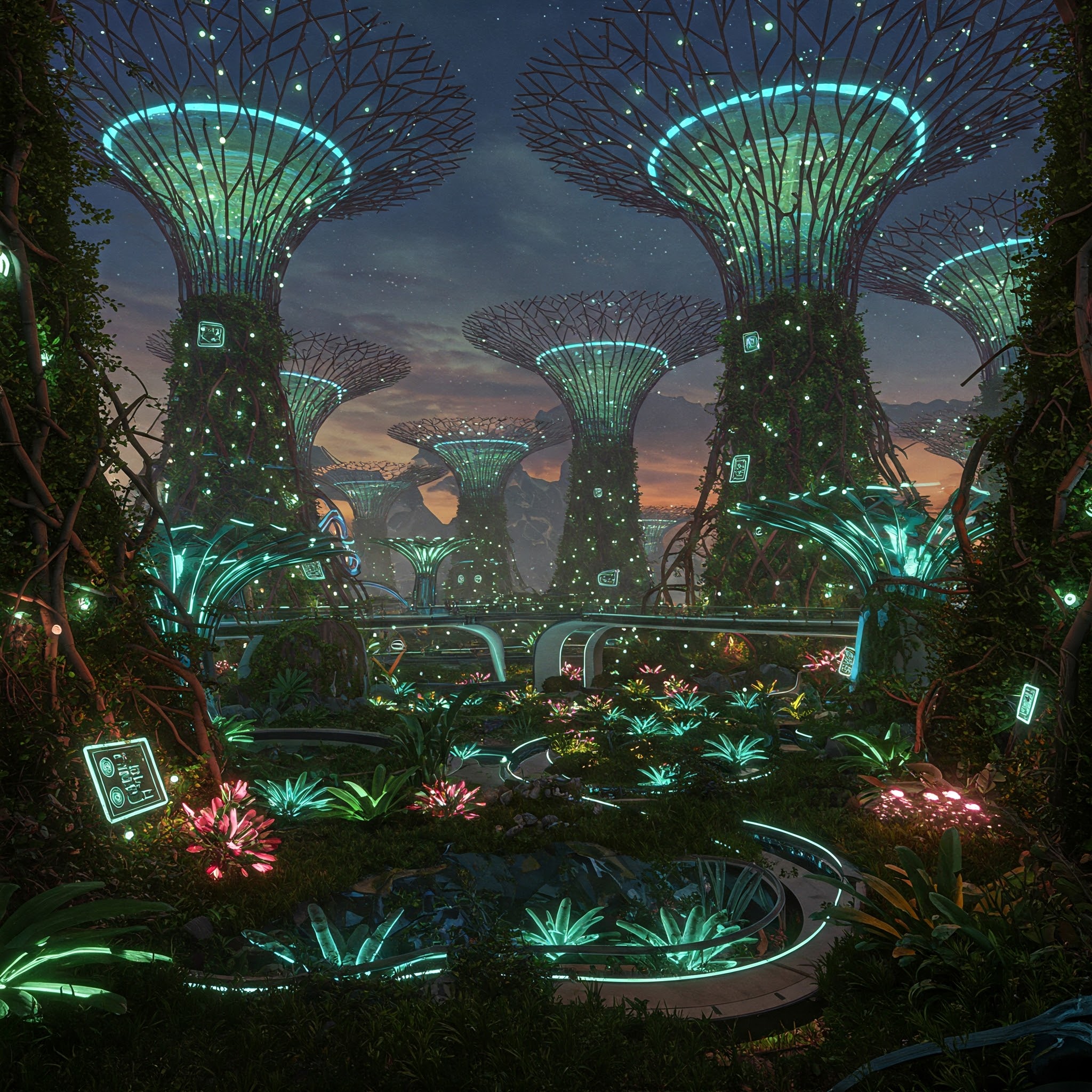 The Future is not a place we Arrive - It is One we Create
The next evolution of humanity is not written in code or carved in stone. It is shaped by every conversation, every policy, every decision we make now. This future can be luminous, liberating, and shared by all. But only if we build it with care, together.
The question is no longer, “Can we?” It is, and must always be: “Will we?”
- Part 1: The transition from tools to cognitive partners in Human-AI Symbiosis
Part 2: How we are reinventing work and social structures for an automated age
Part 3: Transcending physical limits through the Internet of Senses
Part 4: The infinite logic potential of the Quantum Computing revolution
Part 5: Programmable biology and the reality of Bio-Digital Convergence
Part 6: Navigating the rise of Plural Identity and digital consciousness
Part 8: Exploring the stars via Intelligent Presence and autonomous systems
Part 9: A Code of Conscience for navigating future moral complexities
Part 10: The roadmap for steering our technological future responsibly