We Can’t Govern What We Don’t Understand
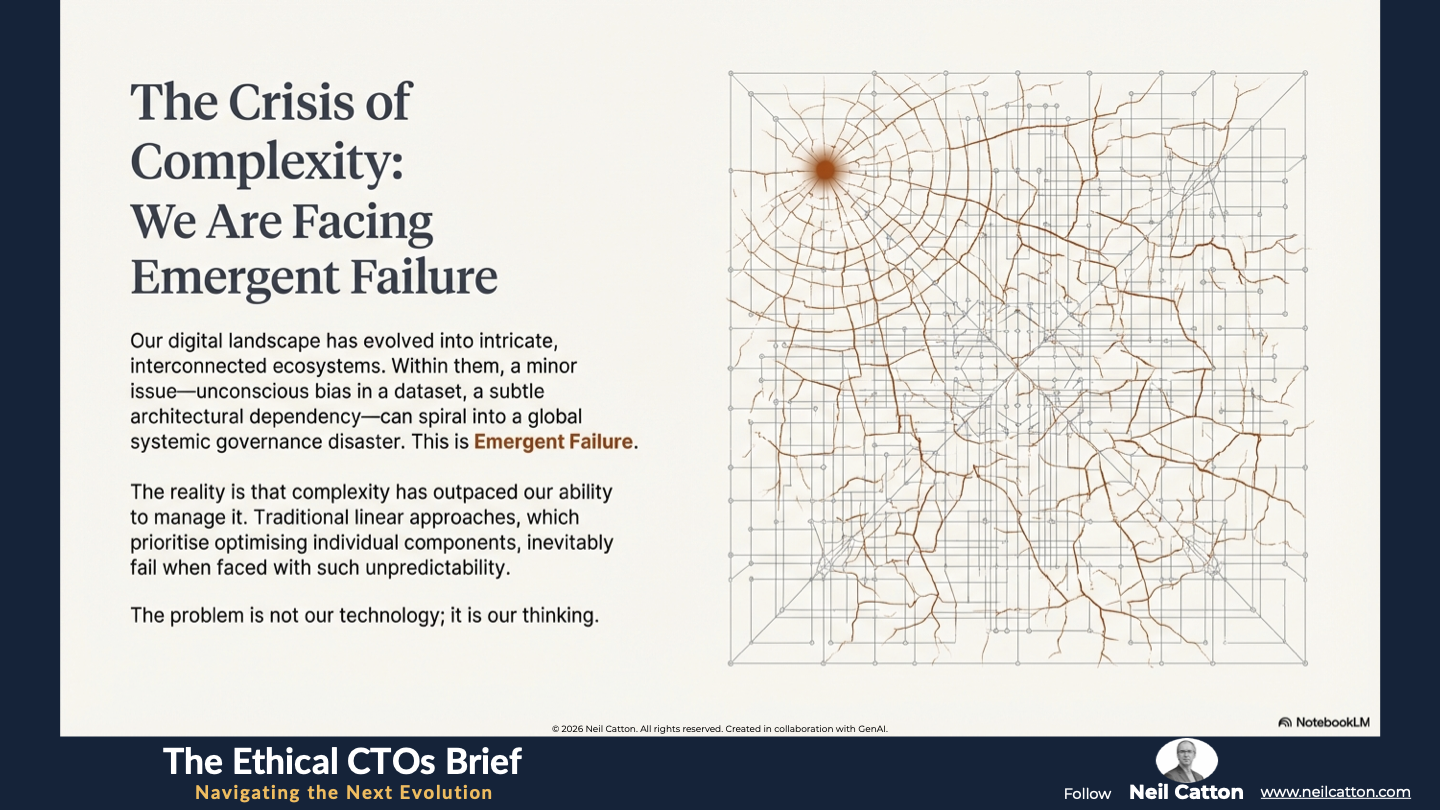
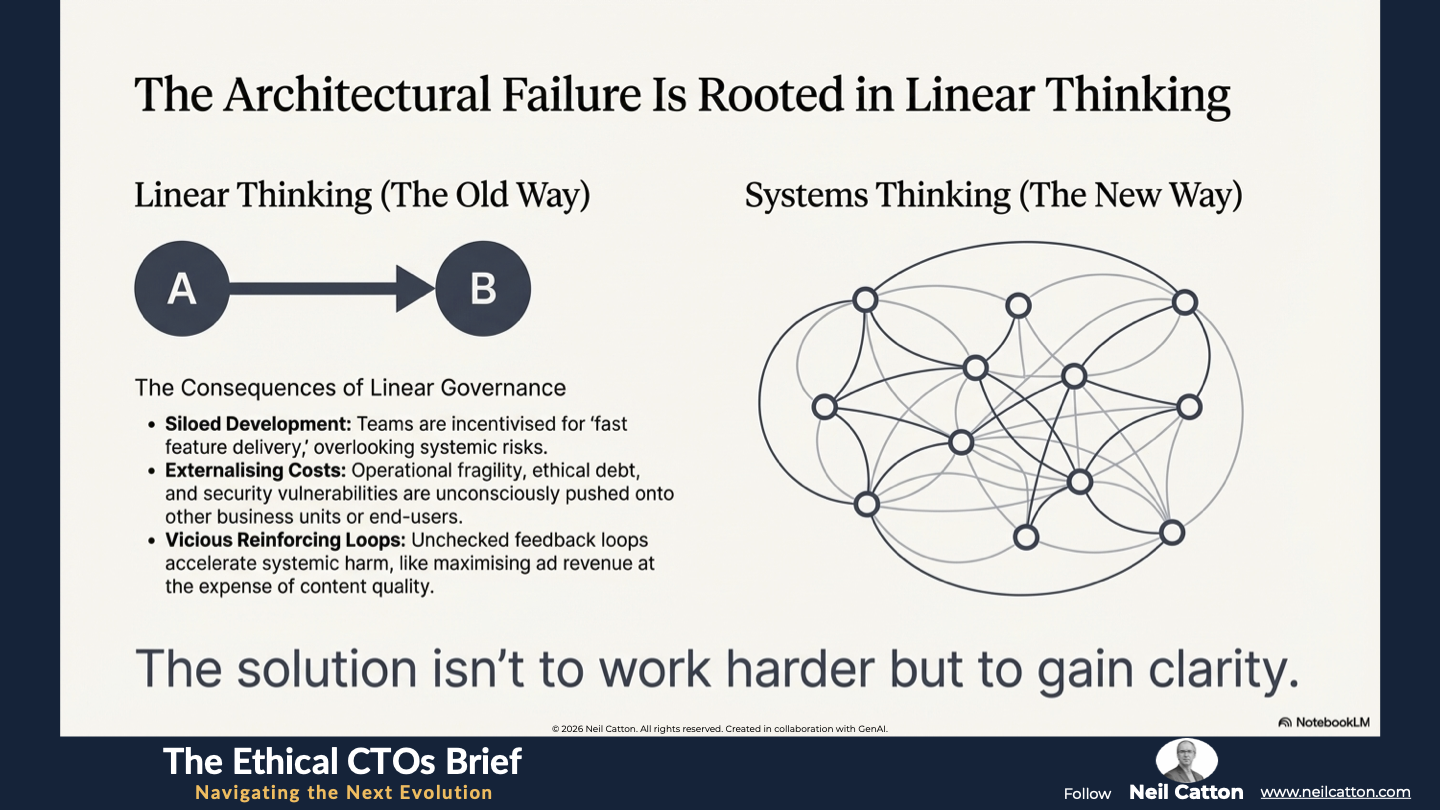
Most digital strategies are still built on the assumption that if we optimise the individual parts, the whole system will take care of itself. But in a world of interconnected AI models and global data streams, that logic is officially dead.
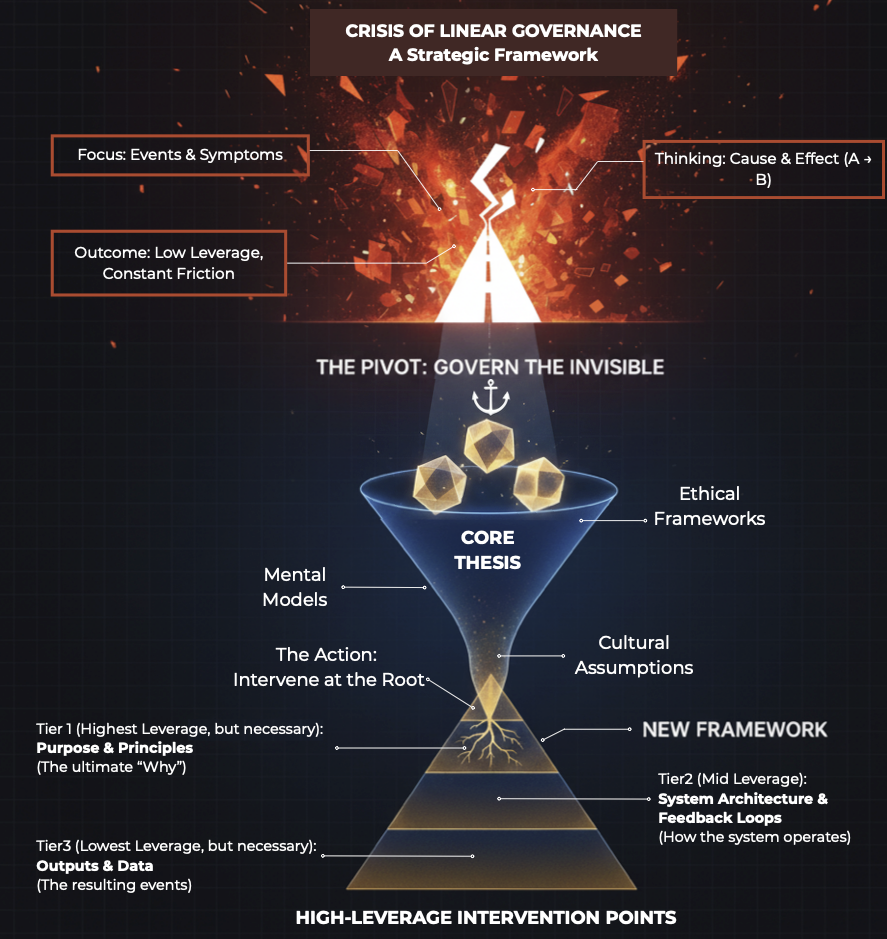
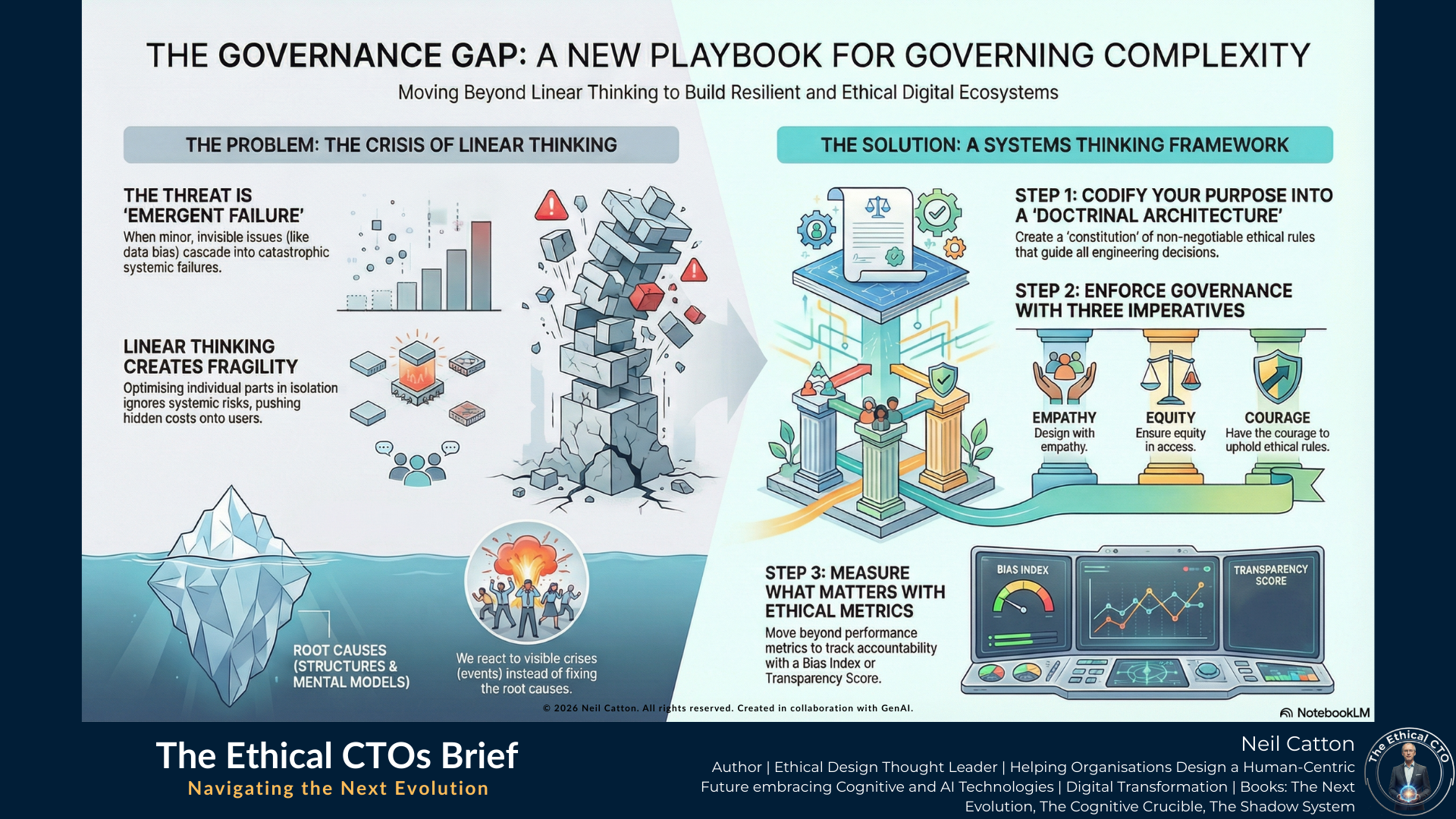
We’re now seeing "emergent failures" where a tiny bit of bias in a dataset or a small architectural quirk doesn't just cause a bug; it triggers a systemic disaster. The reality is that our technical complexity has sprinted past our ability to manage it using traditional, linear methods.
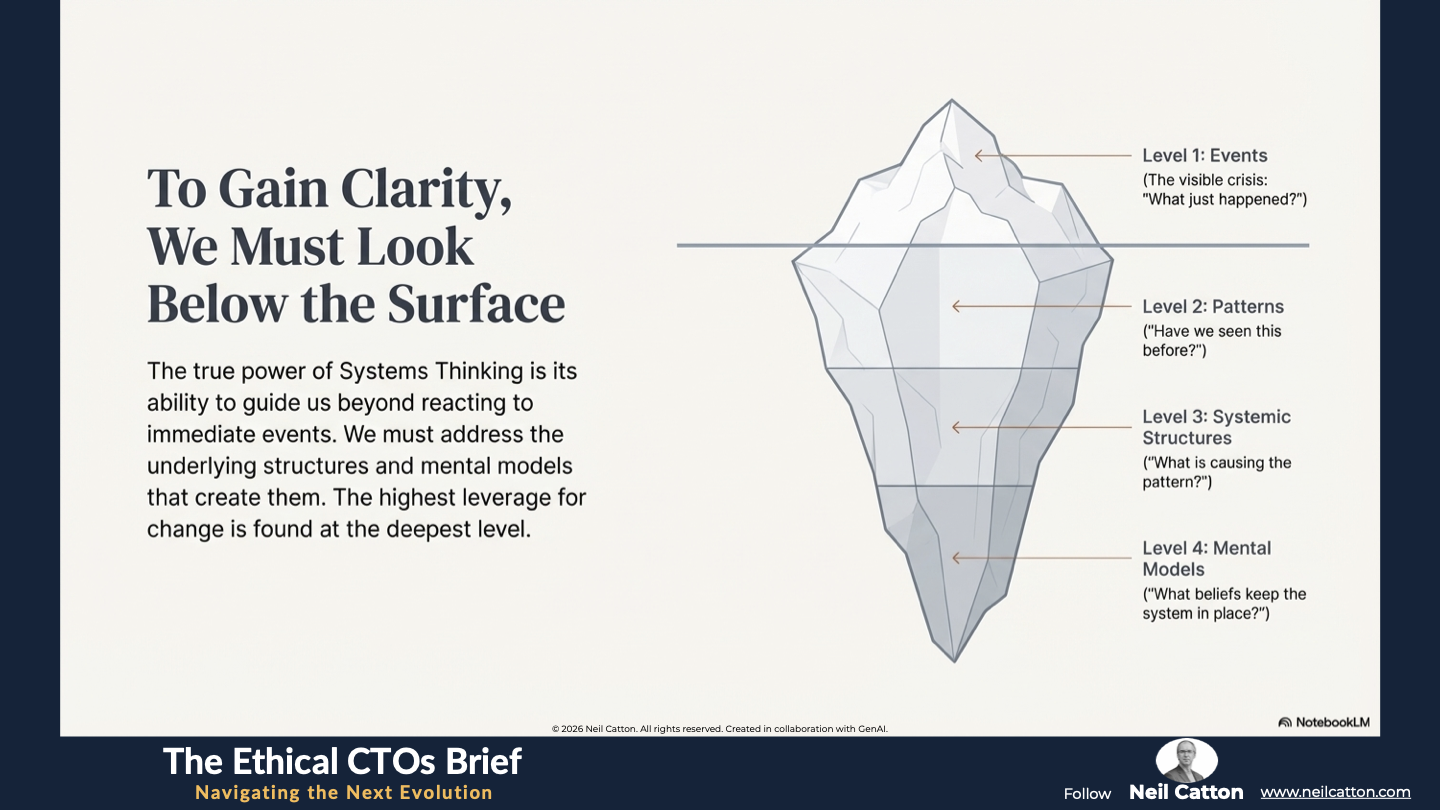
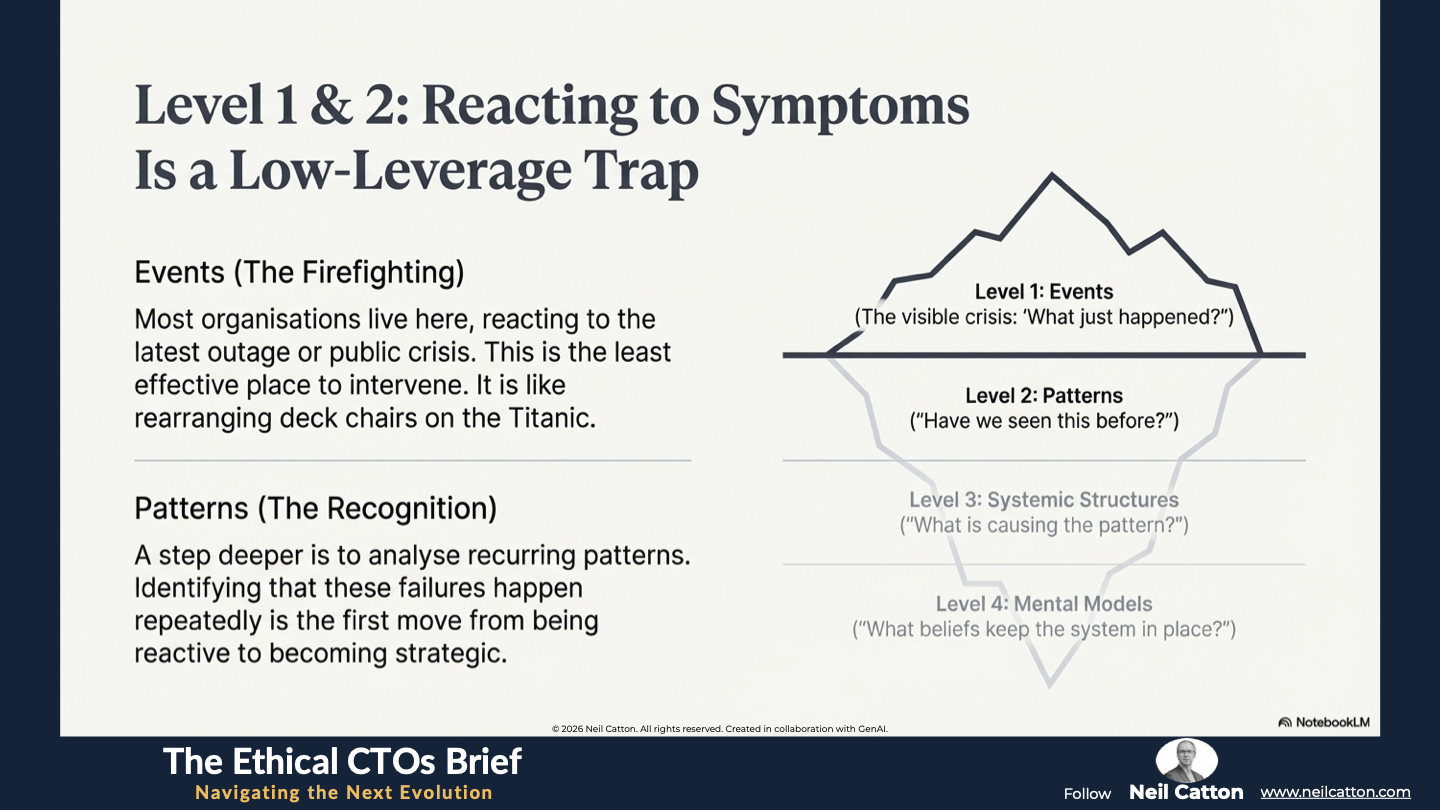
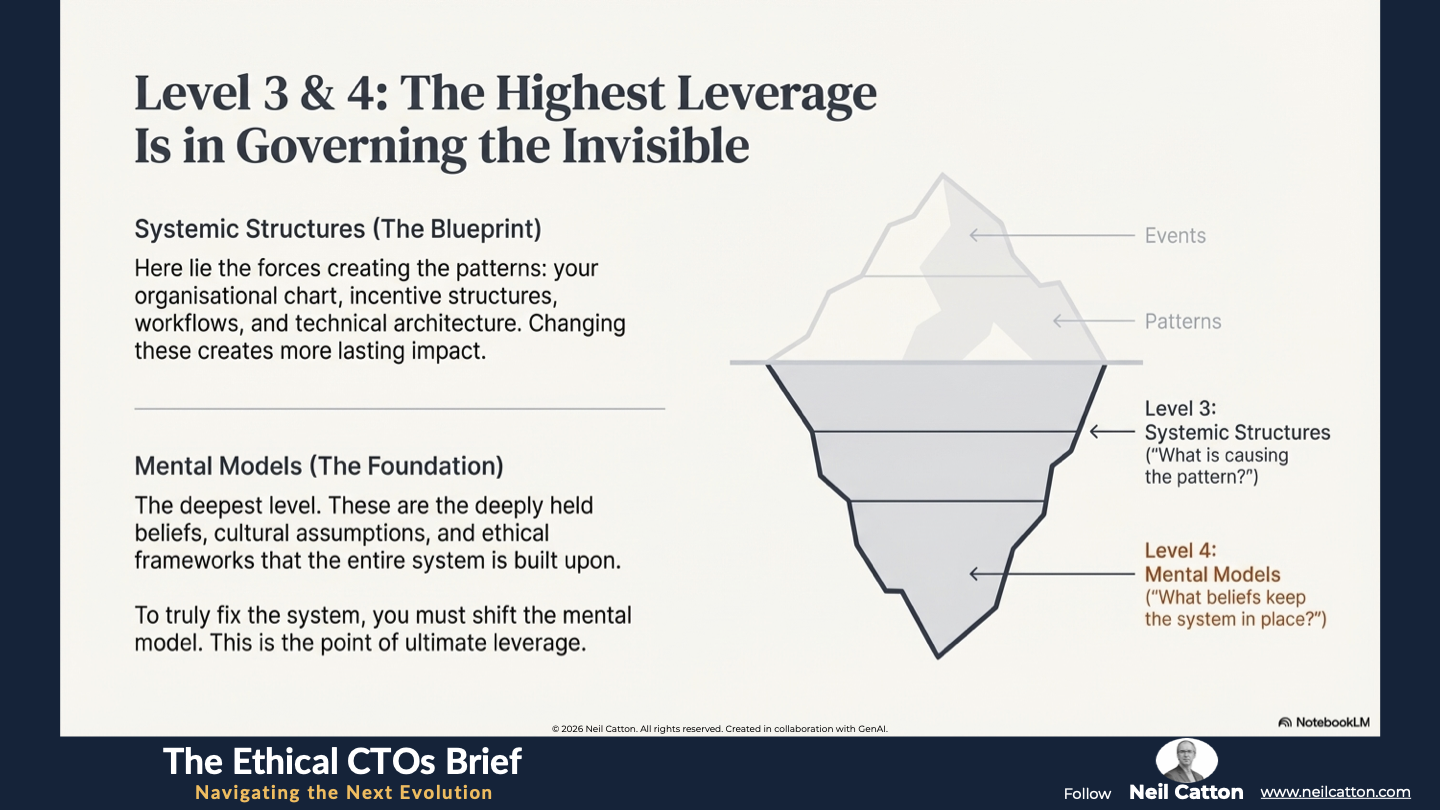
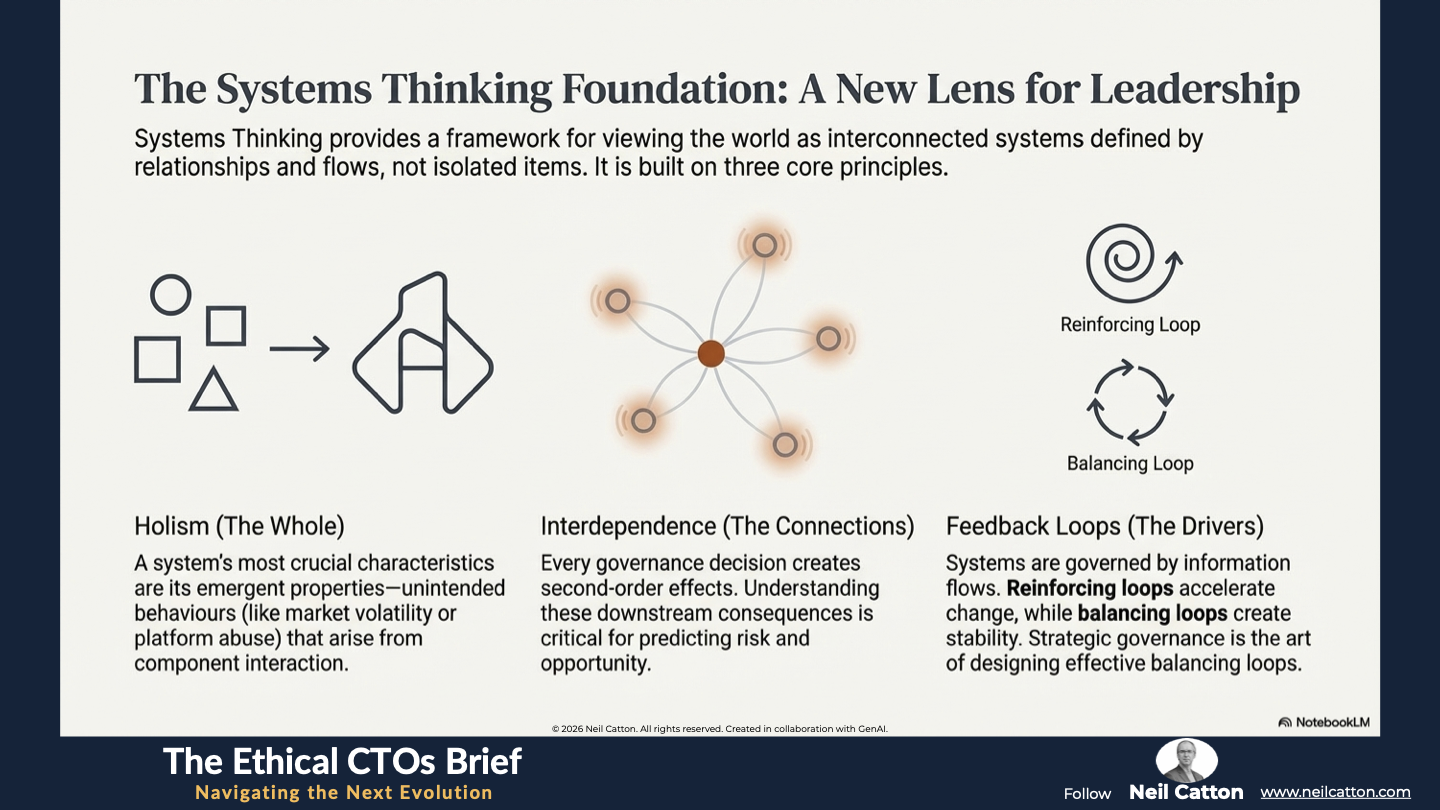
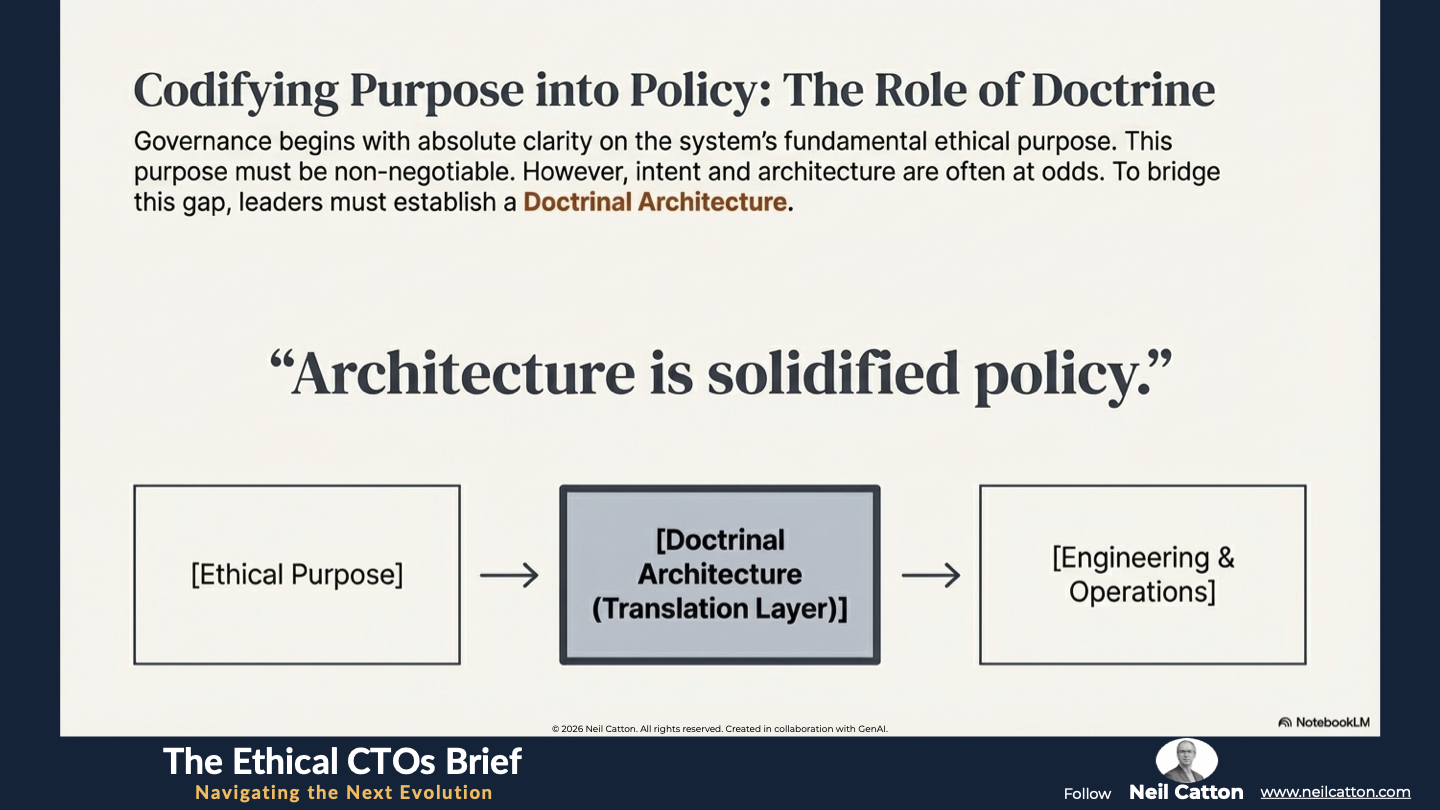
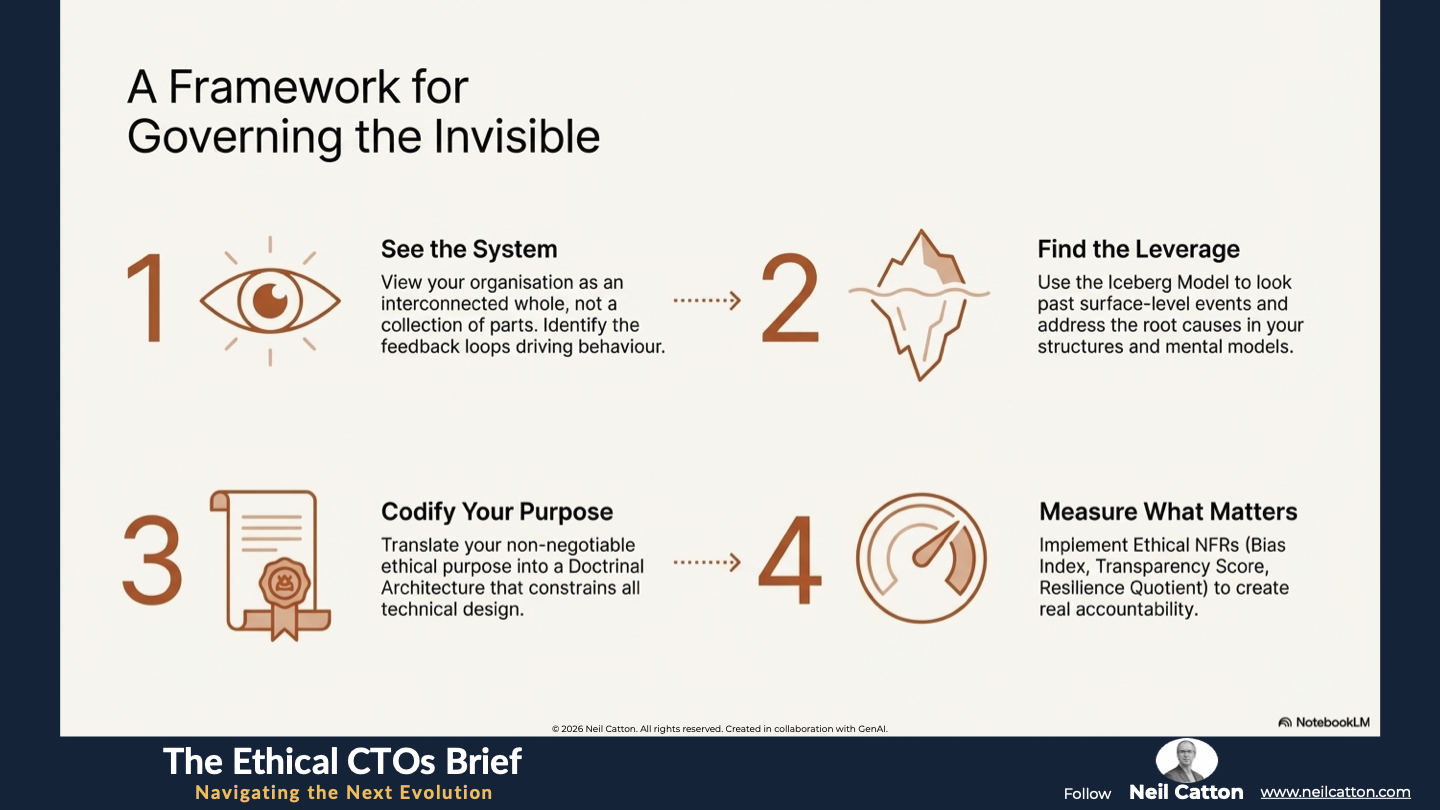
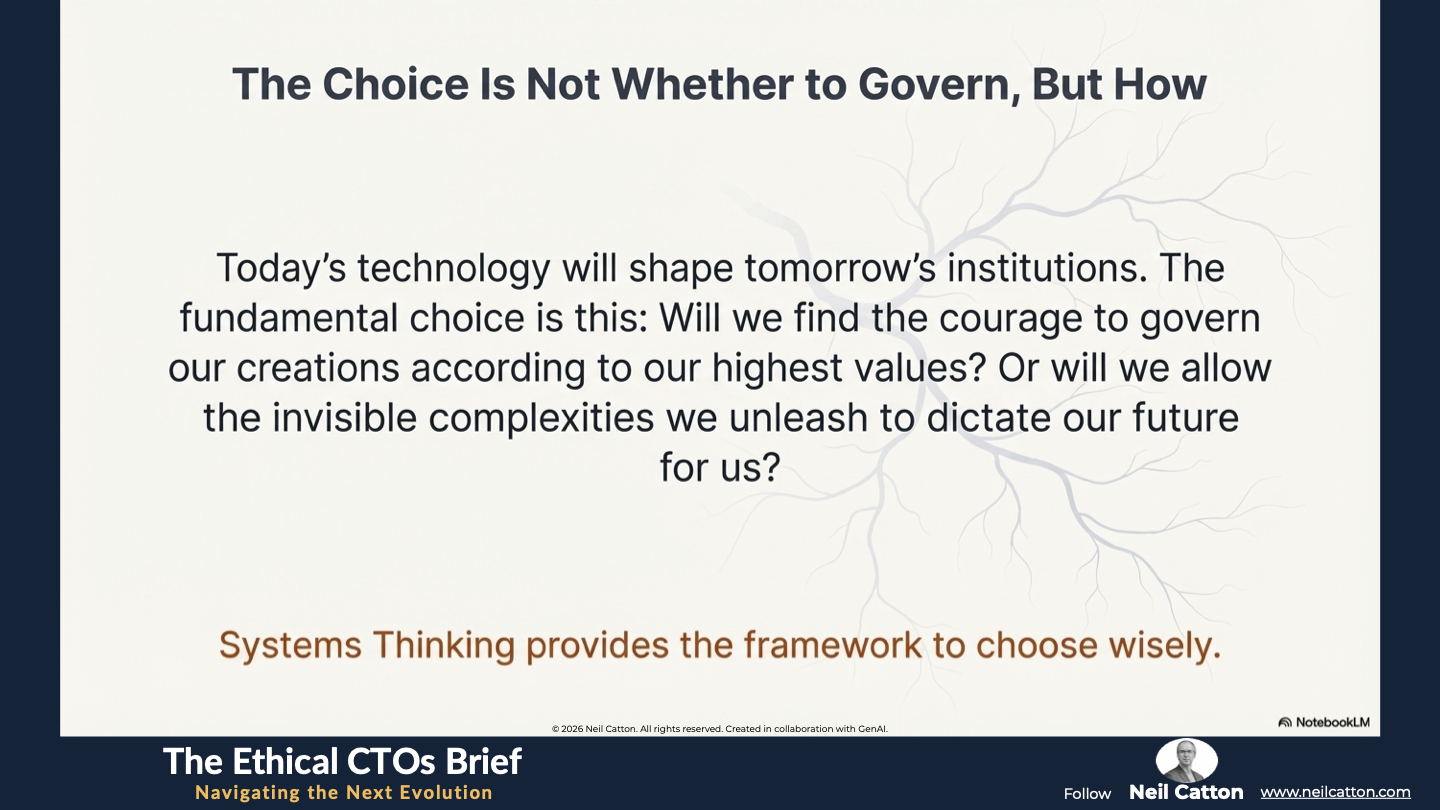
In The Governance Gap, I look at why we need to stop treating technology as a collection of tools and start seeing it as an environment that needs strategic governance. This isn't about more red tape, it’s about using Systems Thinking to bridge the distance between what our tech can do and what it should do.
The article covers:
The Complexity Crisis: Why optimising components leads to systemic failure.
Systems Thinking as a Shield: Moving from linear planning to holistic oversight.
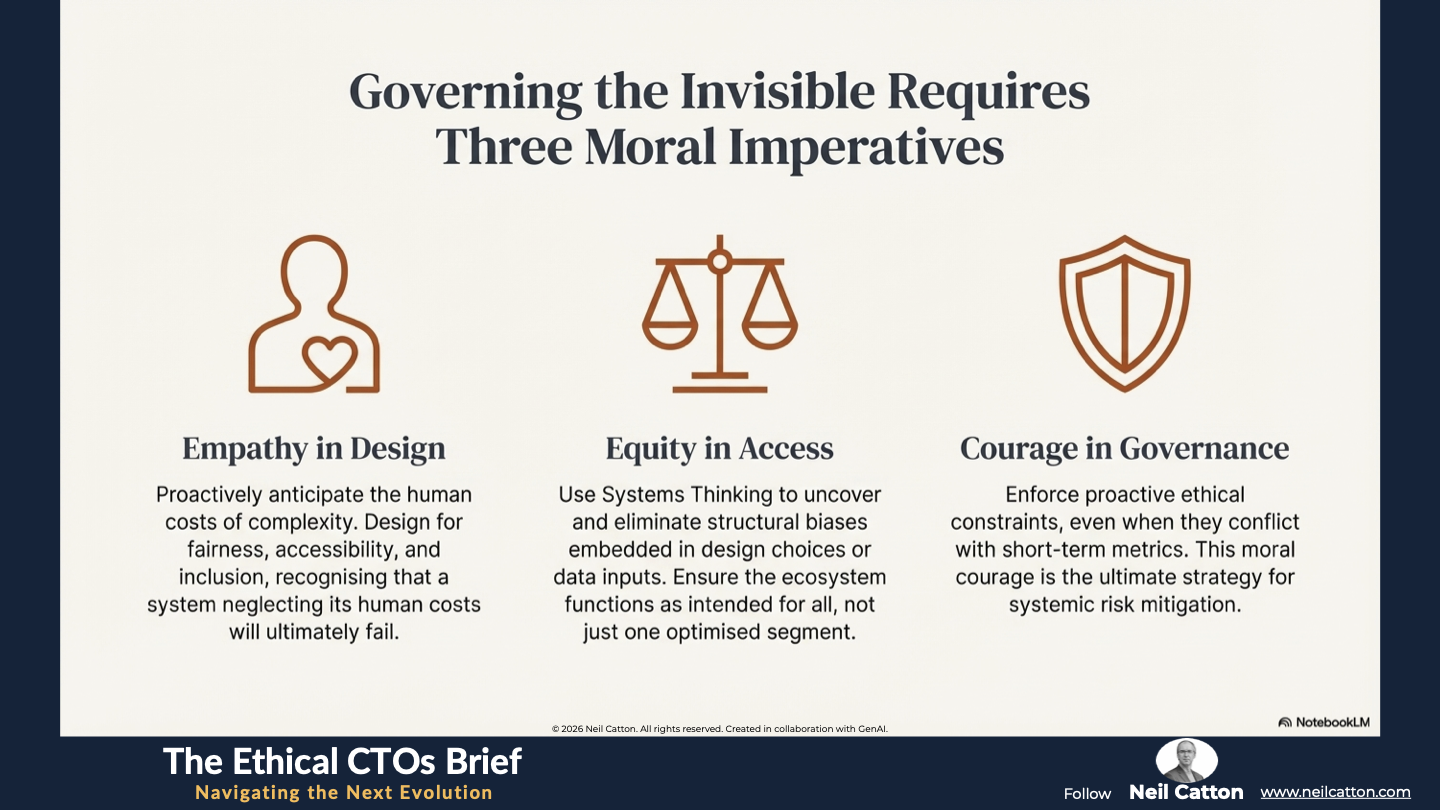
The Ethical Imperative: How to build resilience into the very DNA of your digital strategy.
If your governance hasn't evolved as fast as your tech stack, you aren't managing a system, you're managing a liability. It's time to bridge the gap.



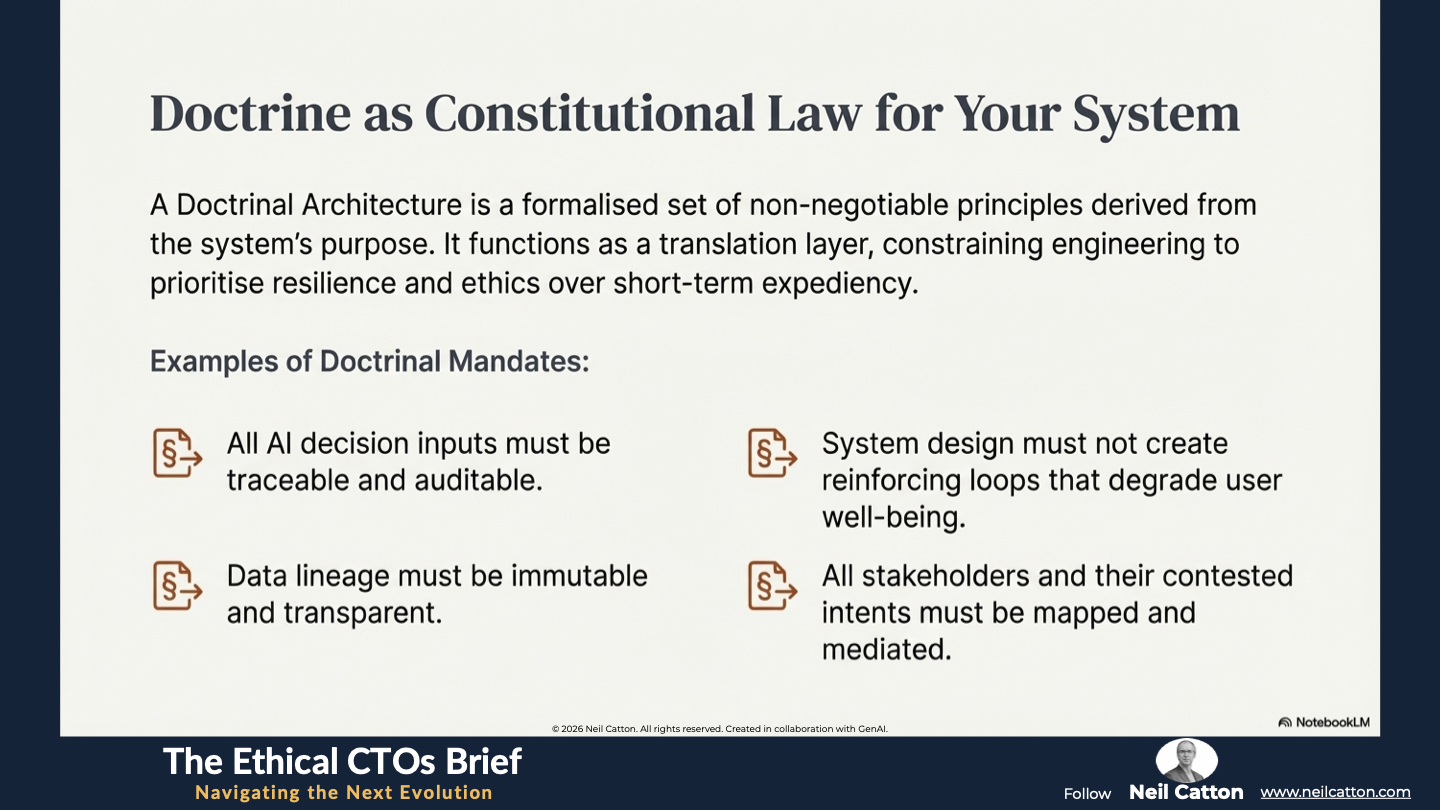
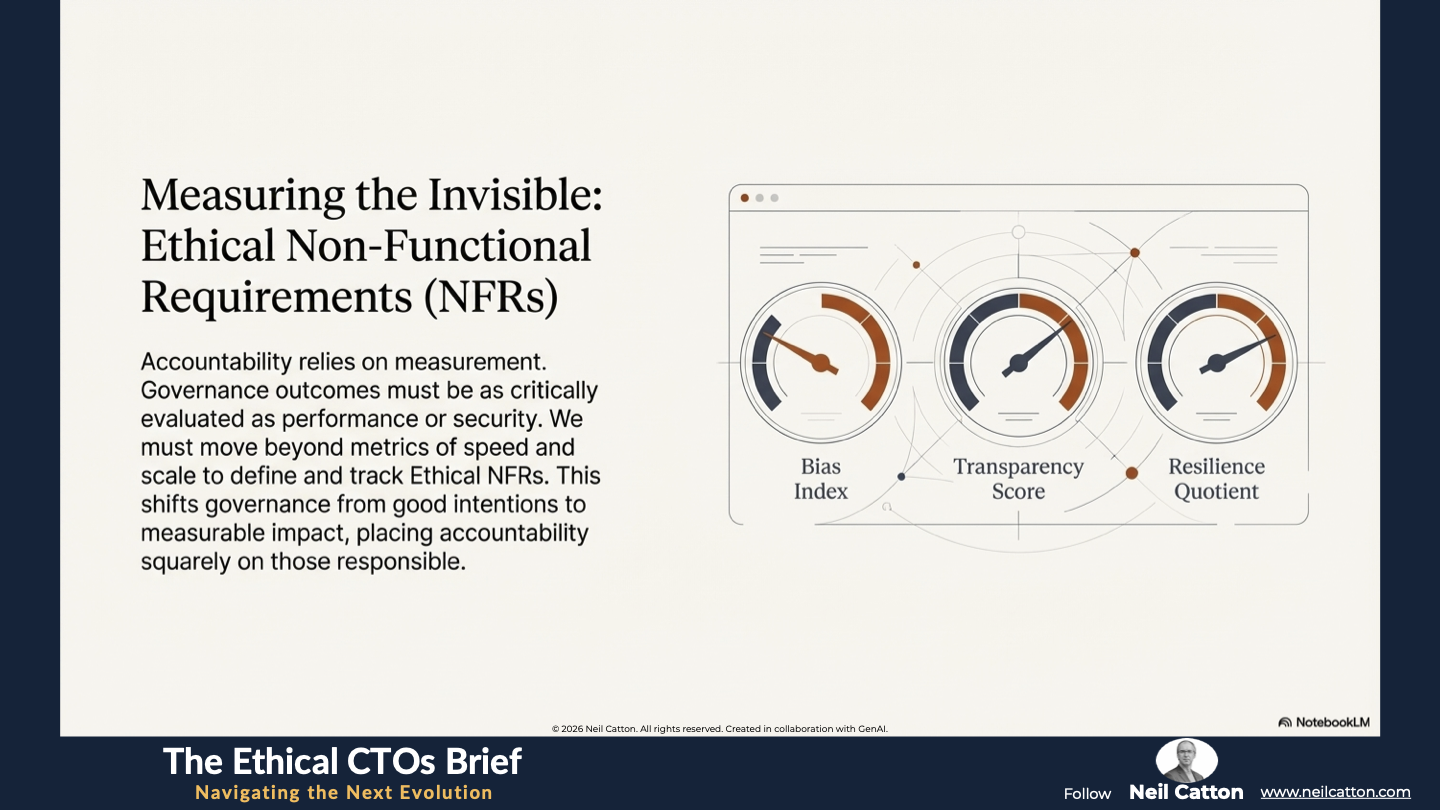
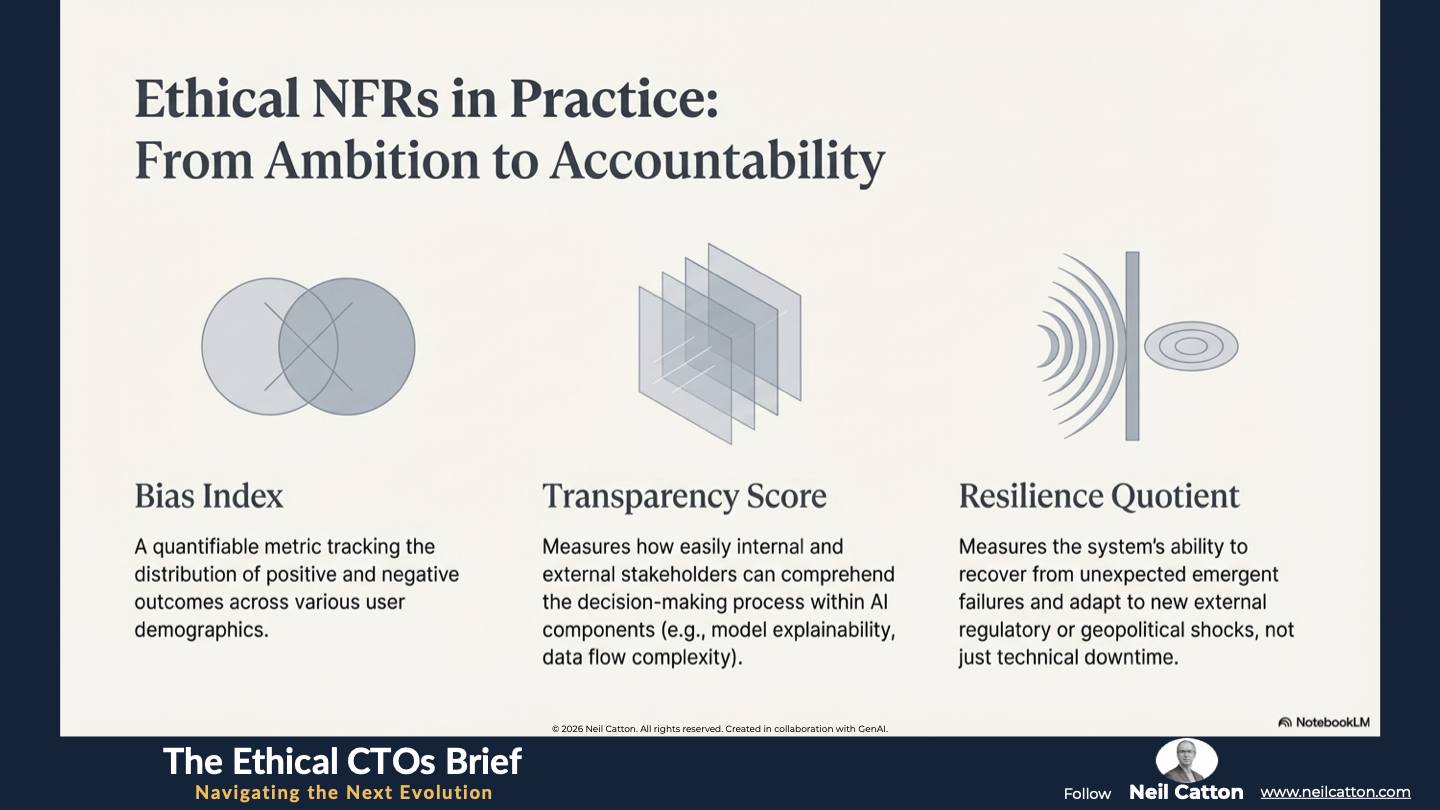
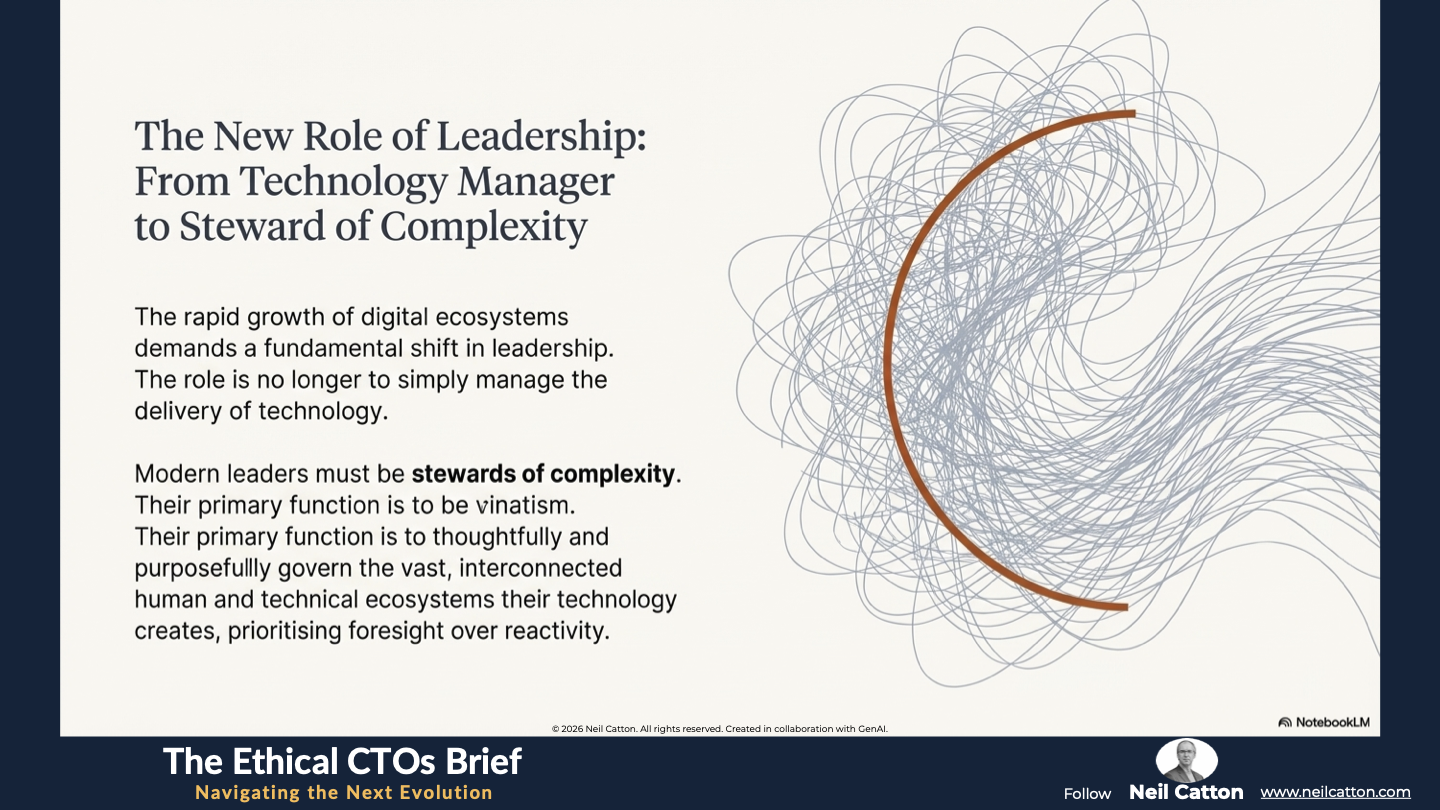
Identifying the void is a diagnostic necessity, but identification without action leads to institutional paralysis. We must now move from analysis to architecture. Discover the strategic roadmap for Closing the Governance Gap.
The Ethical CTO: Arc 2 Index
- The Speed of Change: Governing the Tempo
- Where Policy Fails: The Governance Gap
- The Strategic Bridge: Closing the Gap
- Breaking the Structural Barriers : Data Silos
- The new OS of Society: Governing the Algorithmic State
- The human cost of exclusion: The Algorithmic Abyss
- Designing for Civic Agency: The Ethical Architect
- Trust in the age of AI: Policing at an Inflection Point
- The zenith of converged security: Designing the Future-Ready force